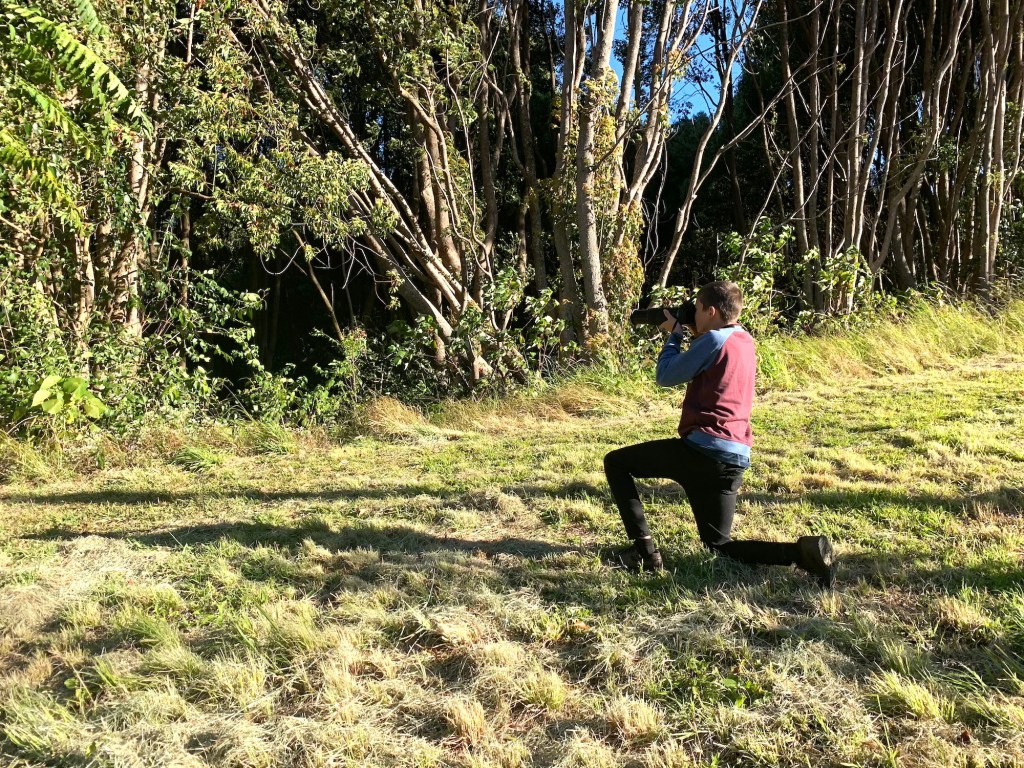
• Today we went down to probably the most well known birding spot in Byron Bay, the Byron Wetlands. This place has over 230 bird species, and, at this place, you’ll never be disappointed.

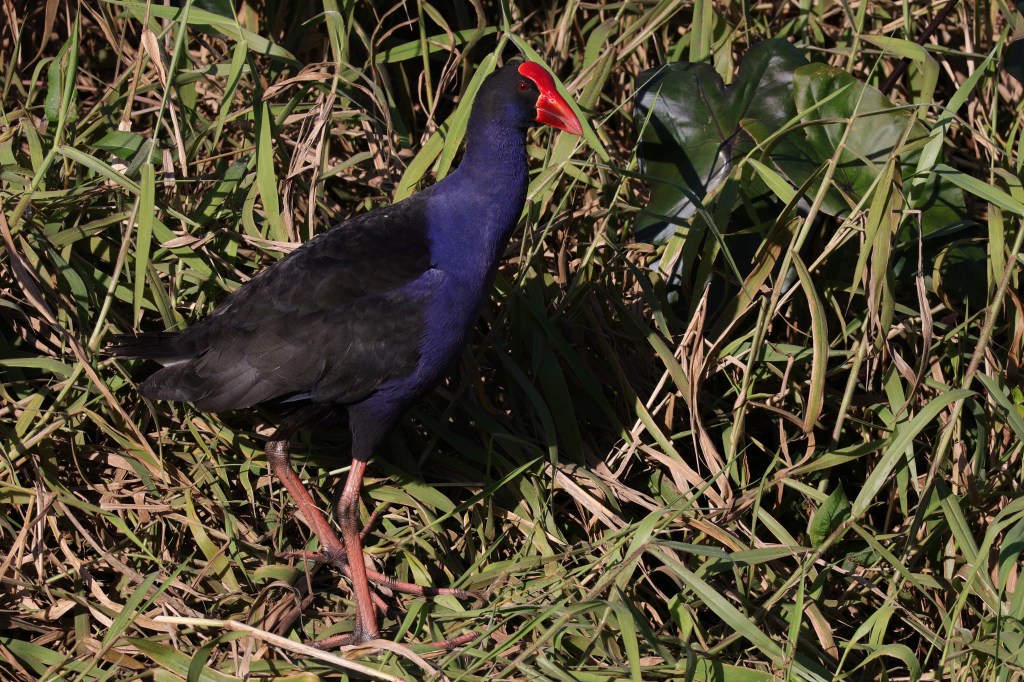
    we started off with a walk around the first cell and spotted some Australasian Swamphens.
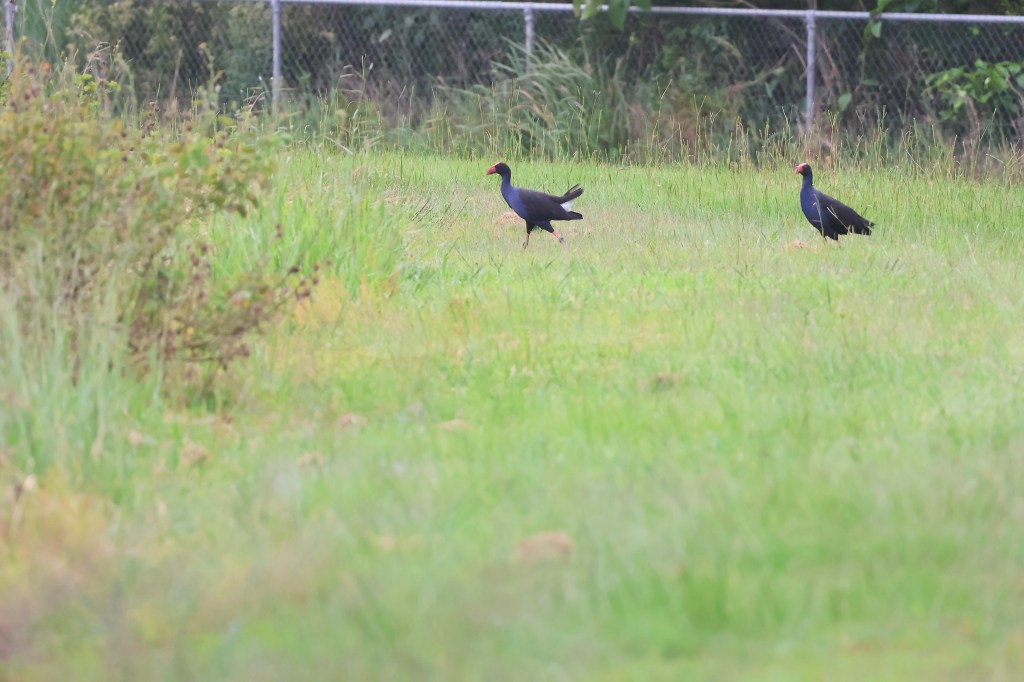
    Australasian Swamphen, Porphyrio Melanotus.

    We wandered on and were just passing a large bush whilst looking for Latham’s Snipe, when we spotted a large, rufous bird at the top of a tree. Rufous body, black cap, white head plumes: this was a Nankeen Night Heron. This bird is a lifer (a bird that I am seeing for the first time) and I was not expecting it.
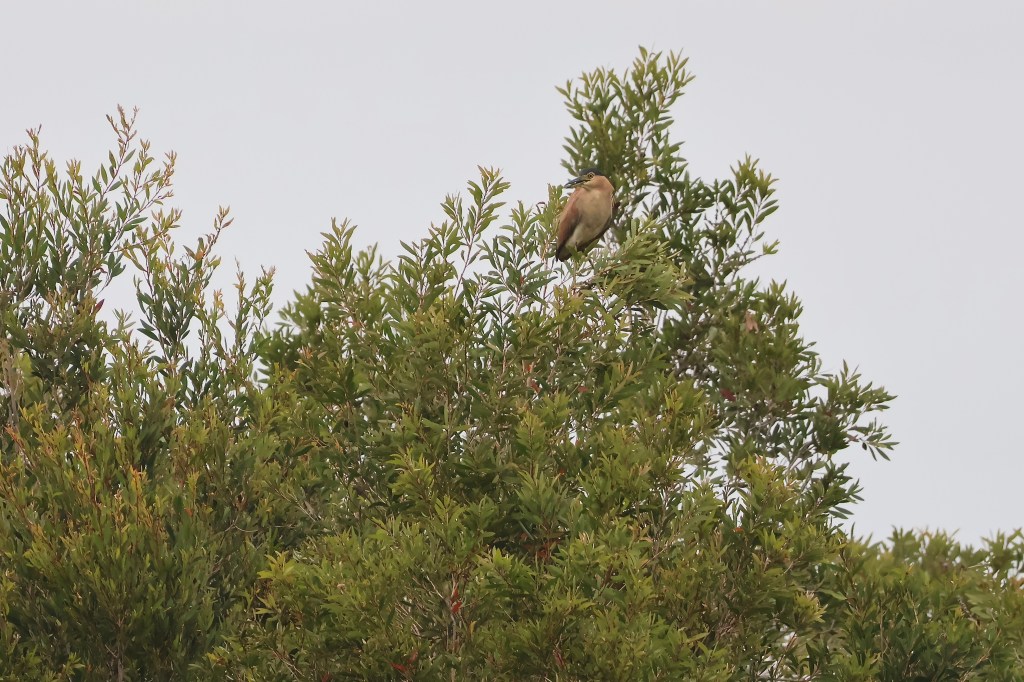
    Nankeen Night-heron, Nycticorax Caledonicus.

    We walked down a trail, hoping to get closer, and spotted a beautiful male Rufous Whistler.
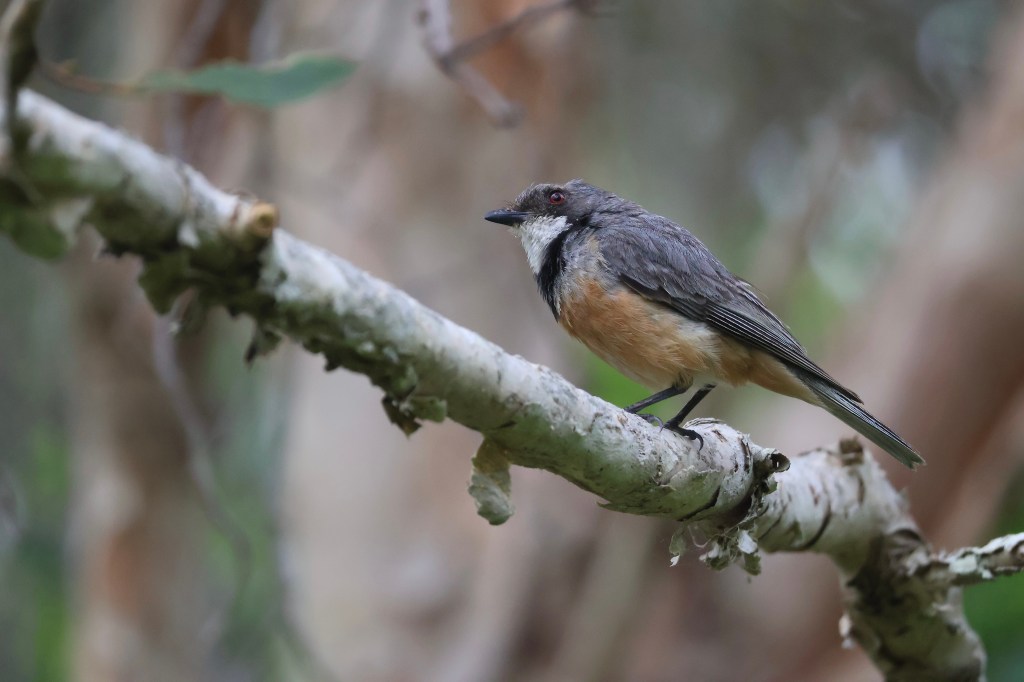
    Rufous Whistler, Pachycephala Rufiventris.

    A sudden noise of fast wingbeats and a Latham’s Snipe shot out of the reeds like a bullet. This bird only arrives in Byron for the summer and are not common. This is a poor photo.
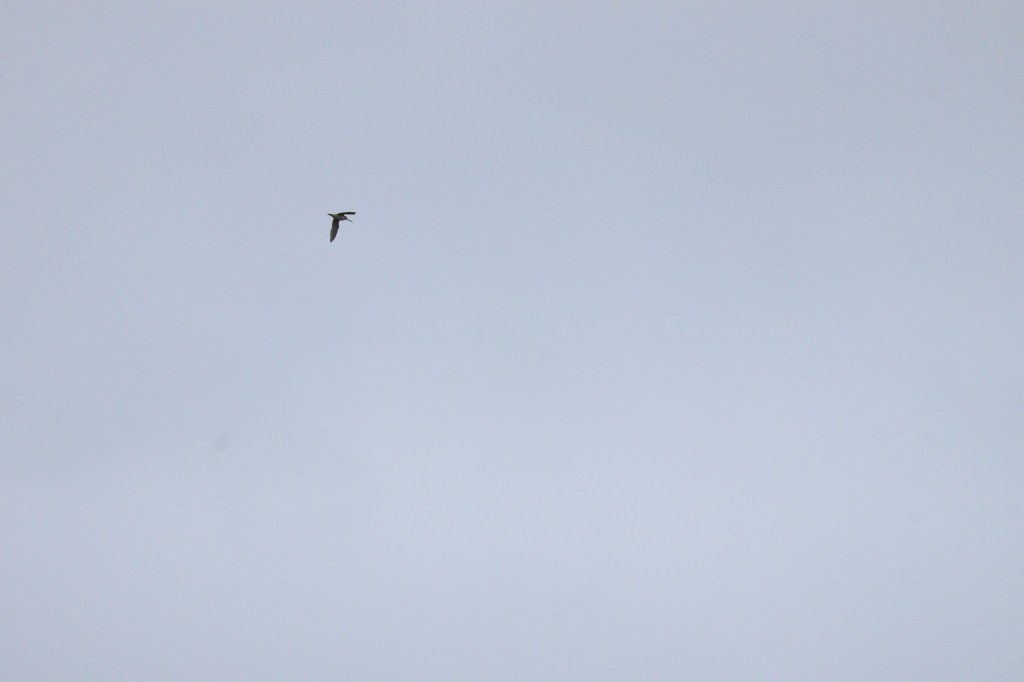
    Latham’s Snipe, Gallinago Hardwickii.

    We heard an unfamiliar call and followed it into the forest. The bird flew out from another tree and it turned out to be a Sahul Brush Cuckoo, another uncommon bird.
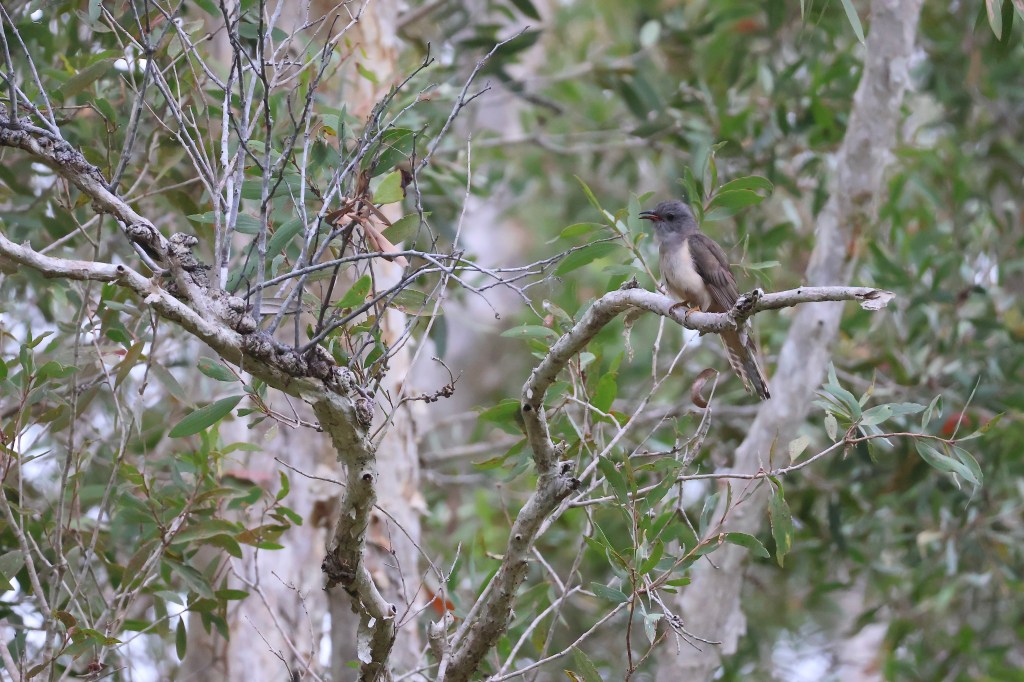
    Sahul Brush Cuckoo, Cacomantis Variolosus.

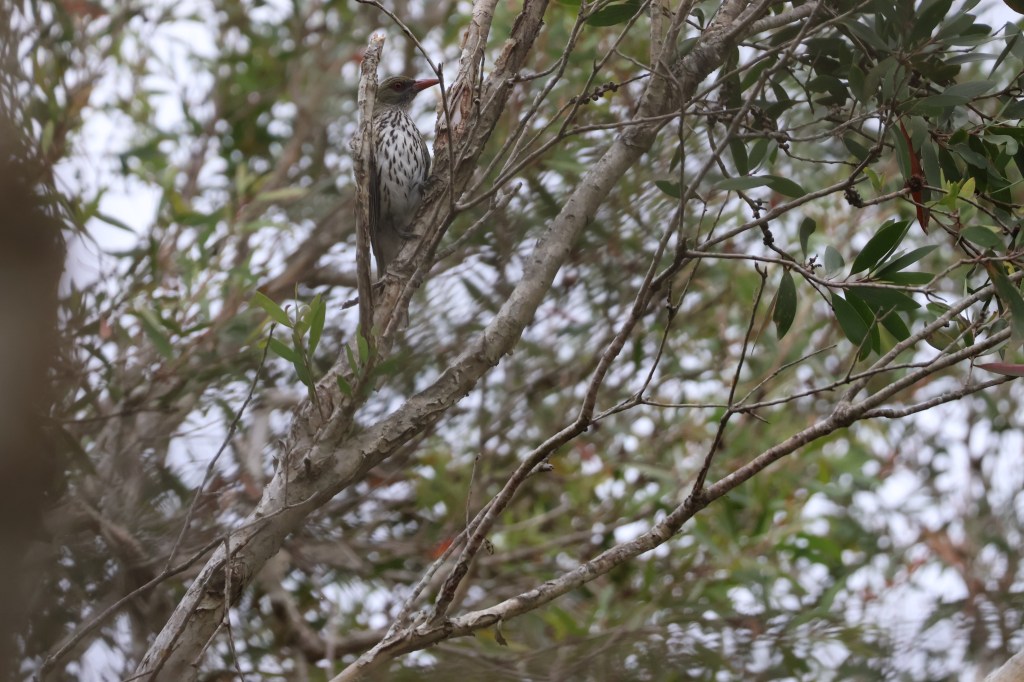
    Willie Wagtails were common and so were Olive-backed Orioles.
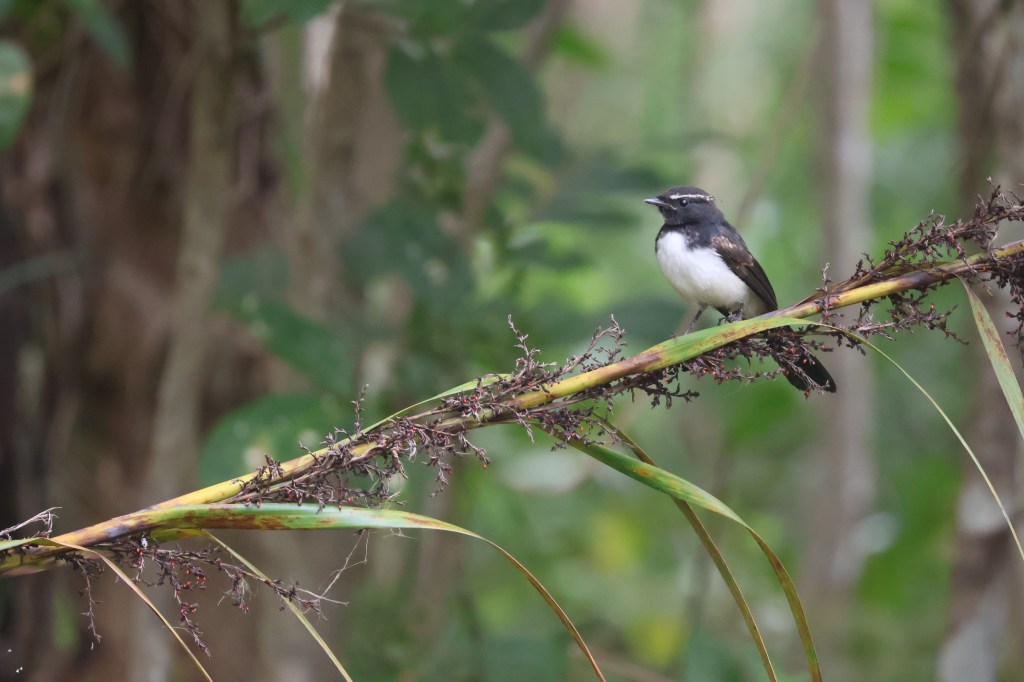
    Willie Wagtail, Rhipidura Leucophrys.
    Olive-backed Oriole, Oriolus sagittatus.

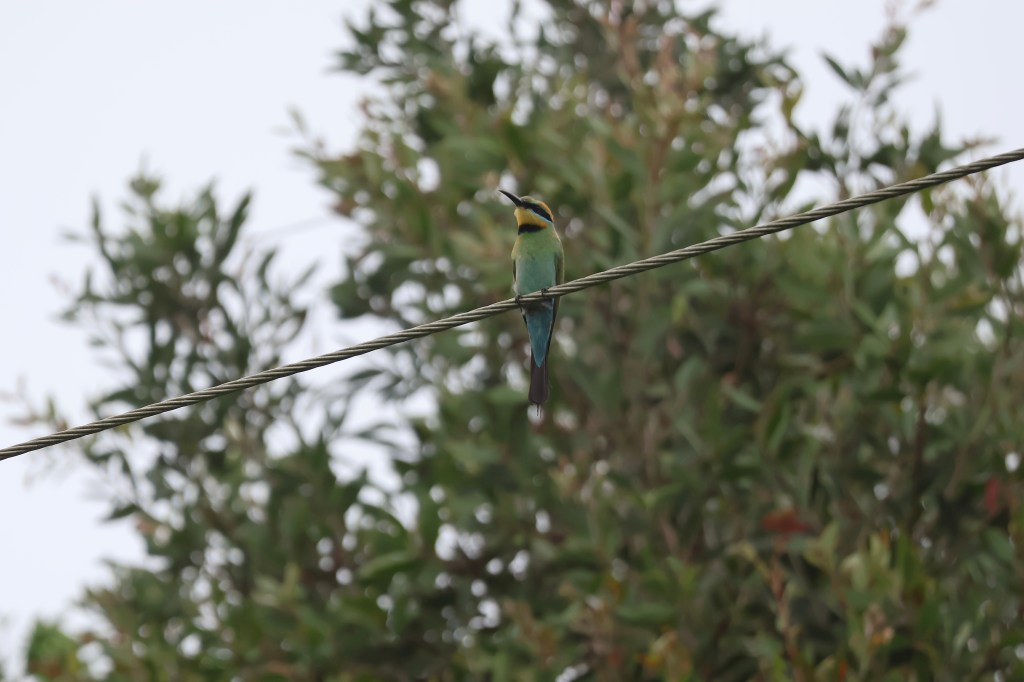
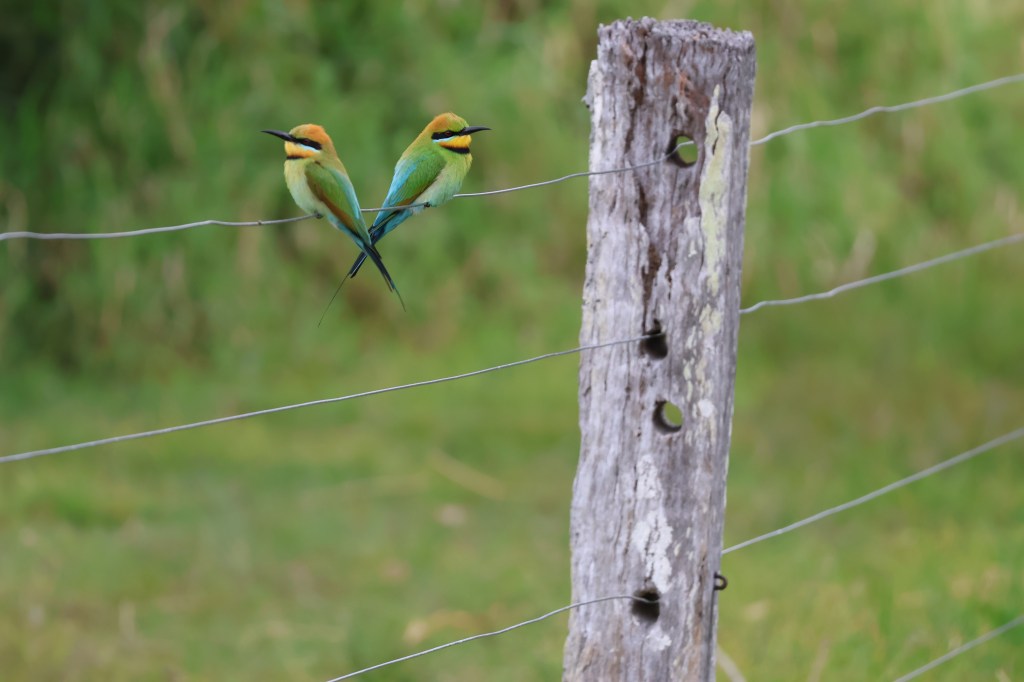
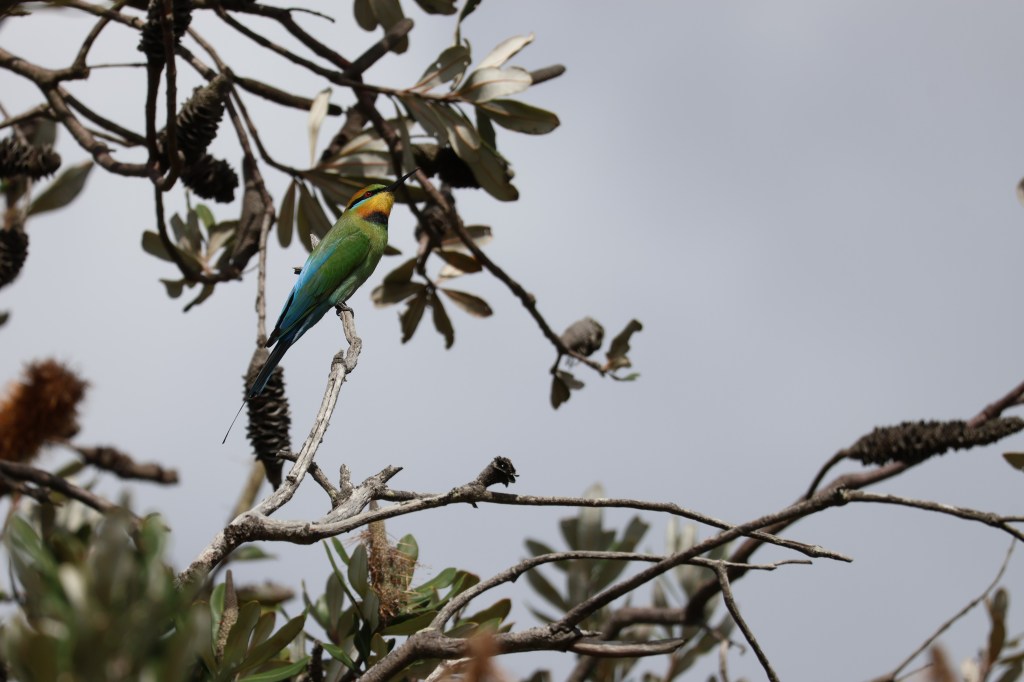
    A Leaden Flycatcher called its heart out on a dead branch and a Rainbow Bee-eater sat on a wire.
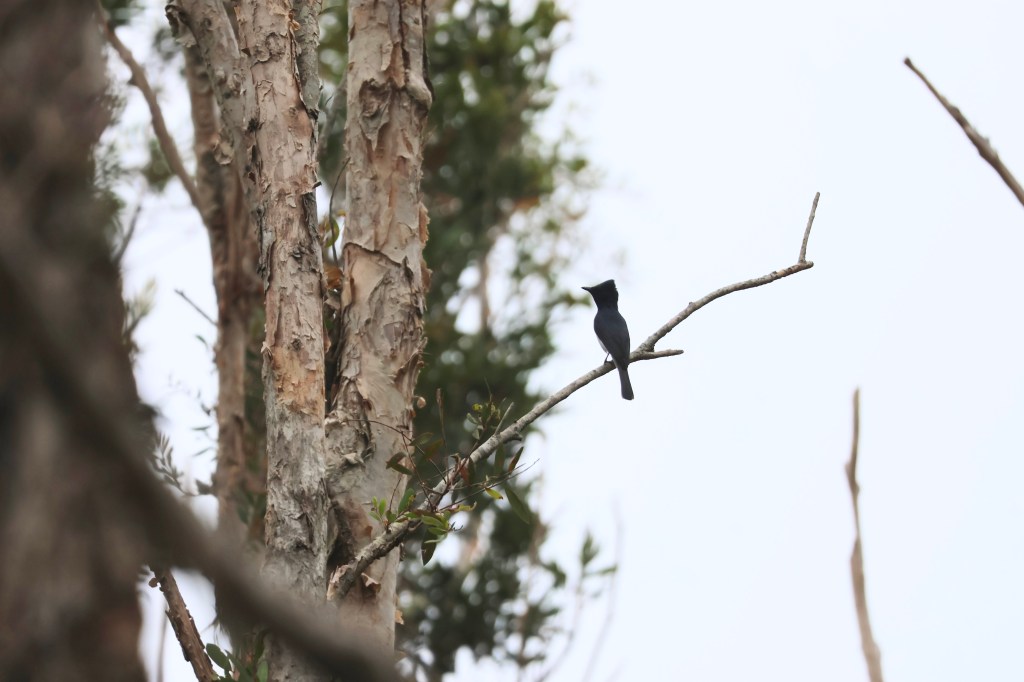
    Leaden Flycatcher, Myiagra Rubecula.
    Rainbow Bee-eater, Merops Ornatus.

    The last bird was a magnificent Grey Goshawk, which sat in a fig tree and gazed across the landscape.
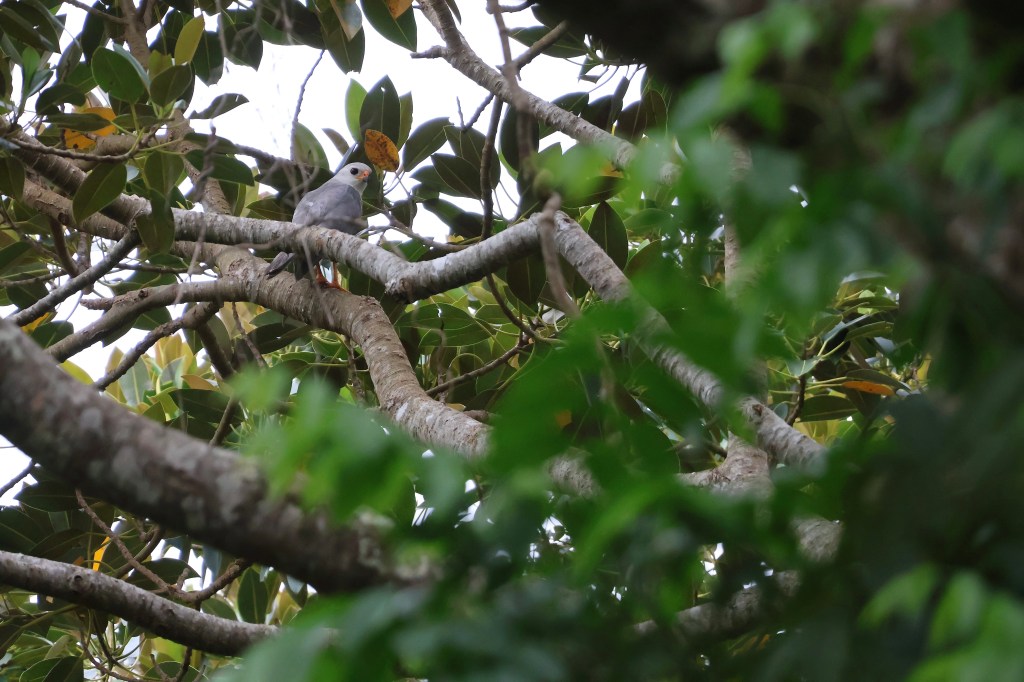
    Grey Goshawk, Tachyspiza Novaehollandiae.

    I would 100% recommend this place to any bird lover. Tow things before you go there: the site is on a working STP and you need a council key to get in and out.
  • Coming back from the Ashes in Brisbane, we stopped at birdwatching place that I had heard of. It was called Wynnum Mangrove Boardwalk and this is a place we will definitely come back to!

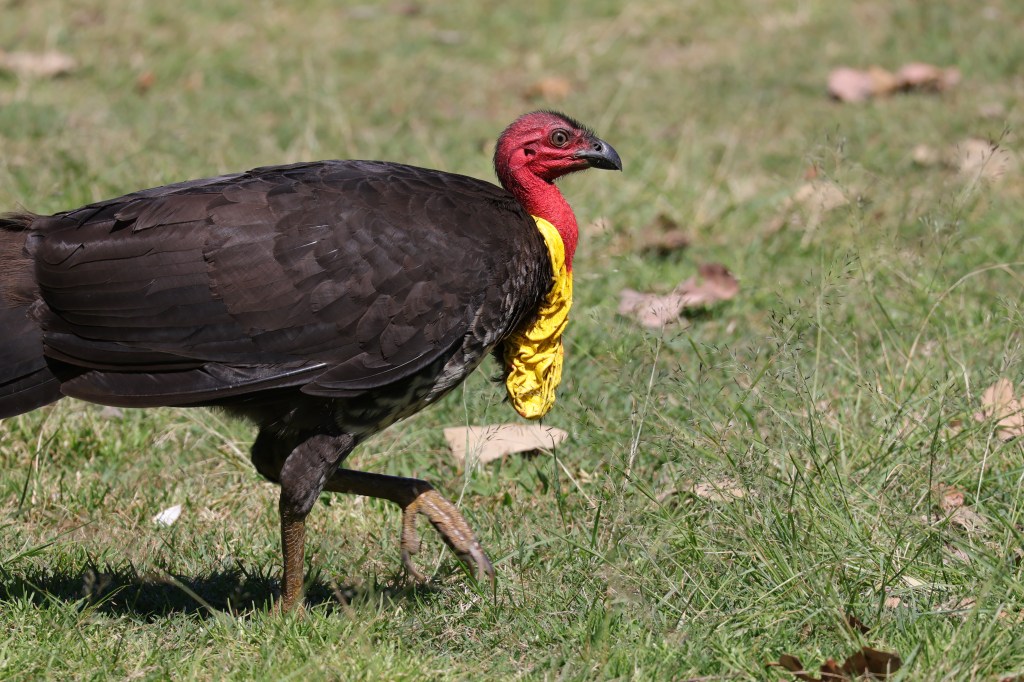
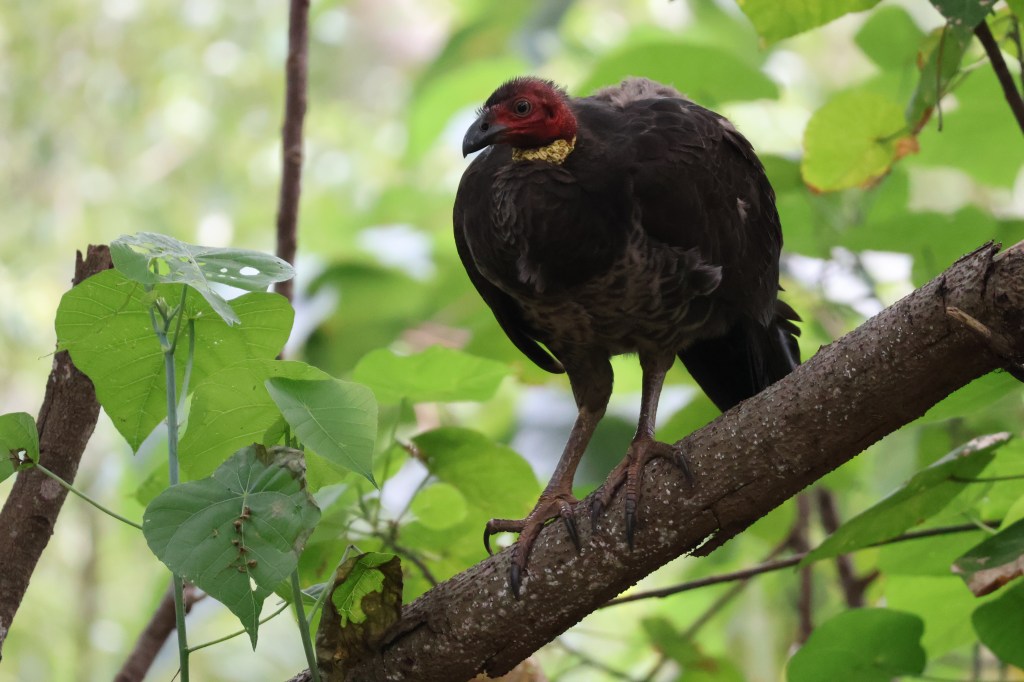
    This place is 20 minutes from the Brisbane Airport and moves through dense mangroves and forest. We started the walk and the first bird we saw was this brush-turkey sitting on a branch, which is unusual as this species is usually seen on the ground.

    Australian Brush-turkey, Alectura Lathami.

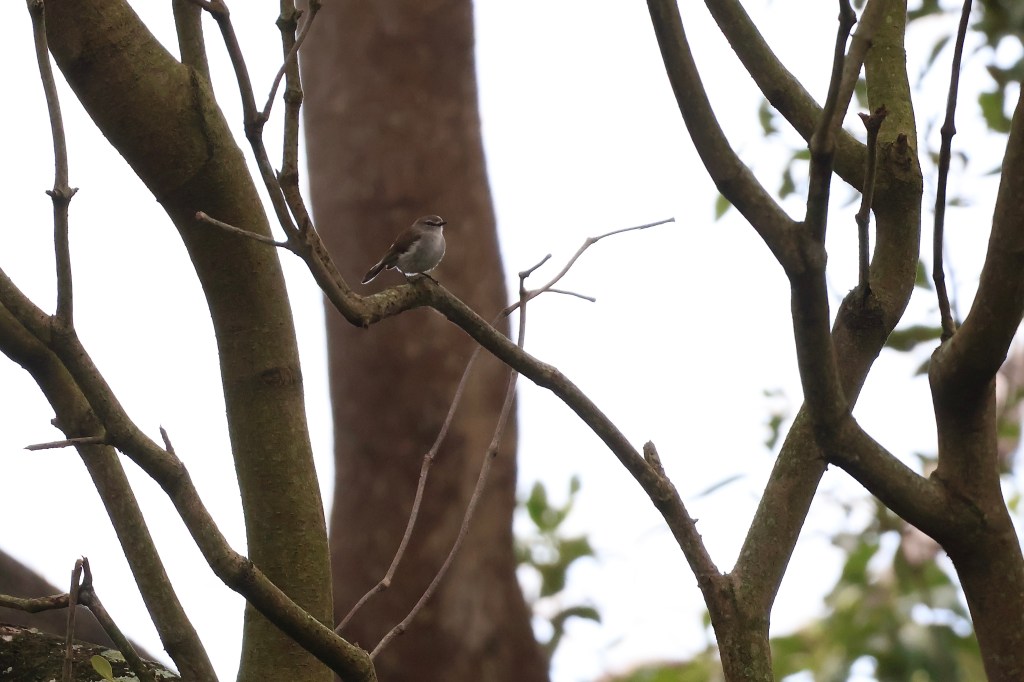
    A Mangrove Gerygone sat on a mangrove root and called it’s heart out.
    Mangrove Gerygone, Gerygone Levigaster.

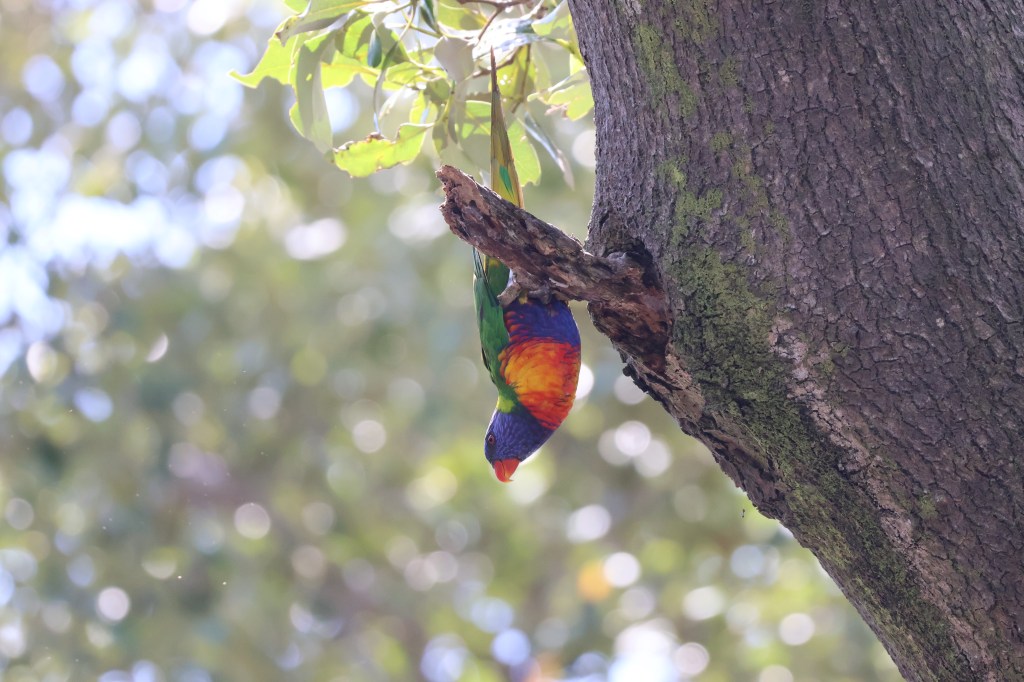
    As we walked, a Rainbow Lorikeet hung on an overhanging branch. I’m unsure if it was building a nest or was just feeding.

    Rainbow Lorikeet, Trichoglossus Moluccanus.

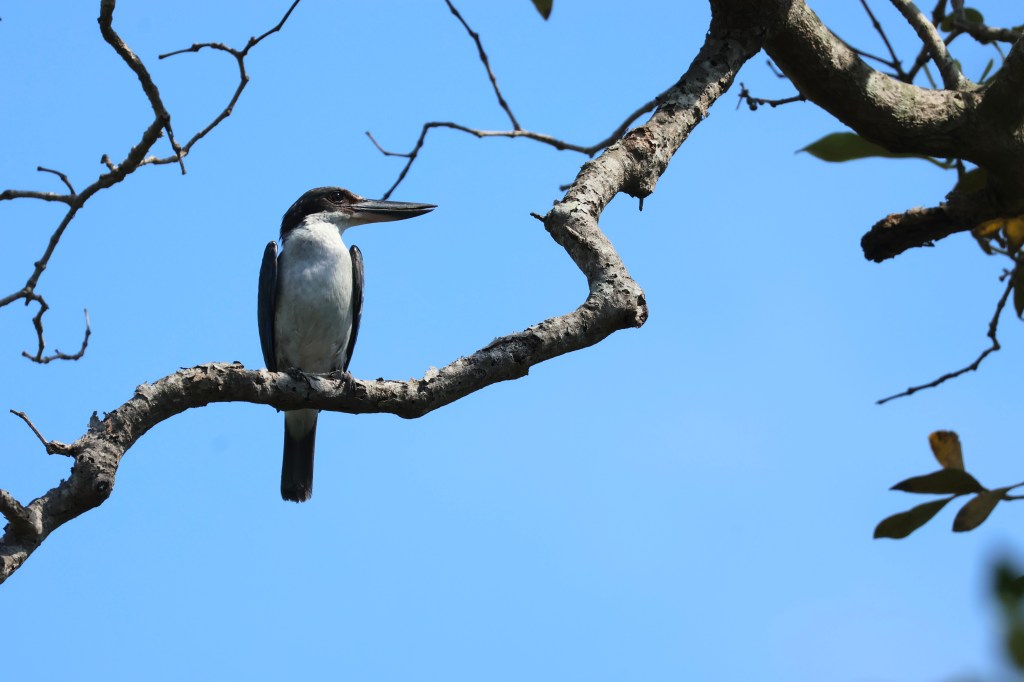
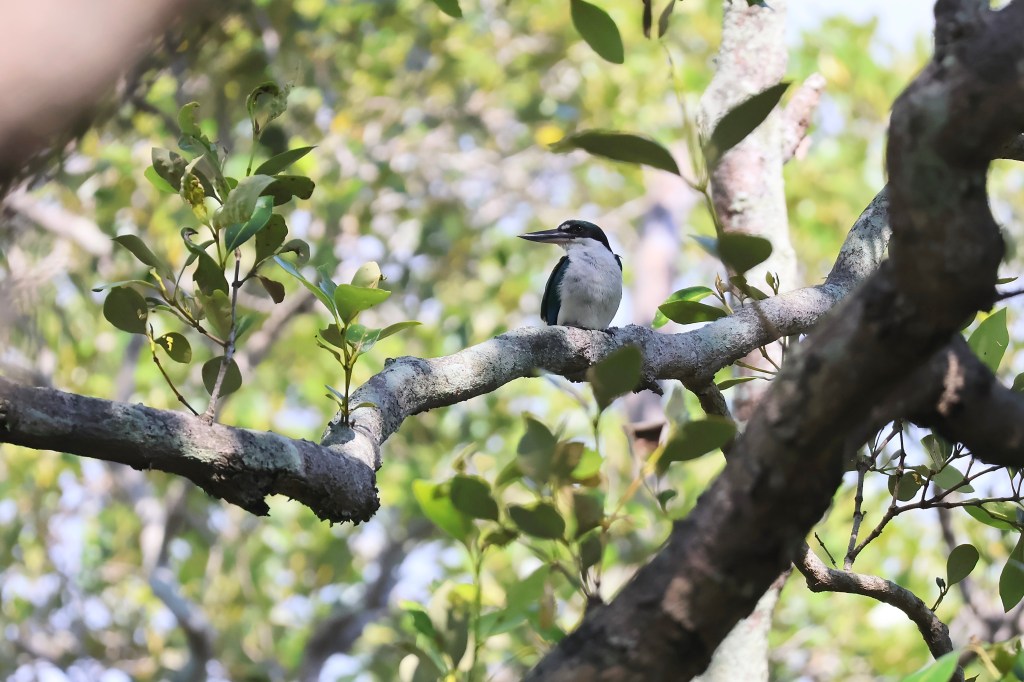
    The star of the show were the Torresian Kingfishers, which I have only seen on one occasion. They were constantly calling and flying across the track. They have a dark blue back and a white front. They have a large beak that they use for catching crabs and other invertebrates in the mangroves.

    Torresian Kingfisher, Todiramphus Sordidus.

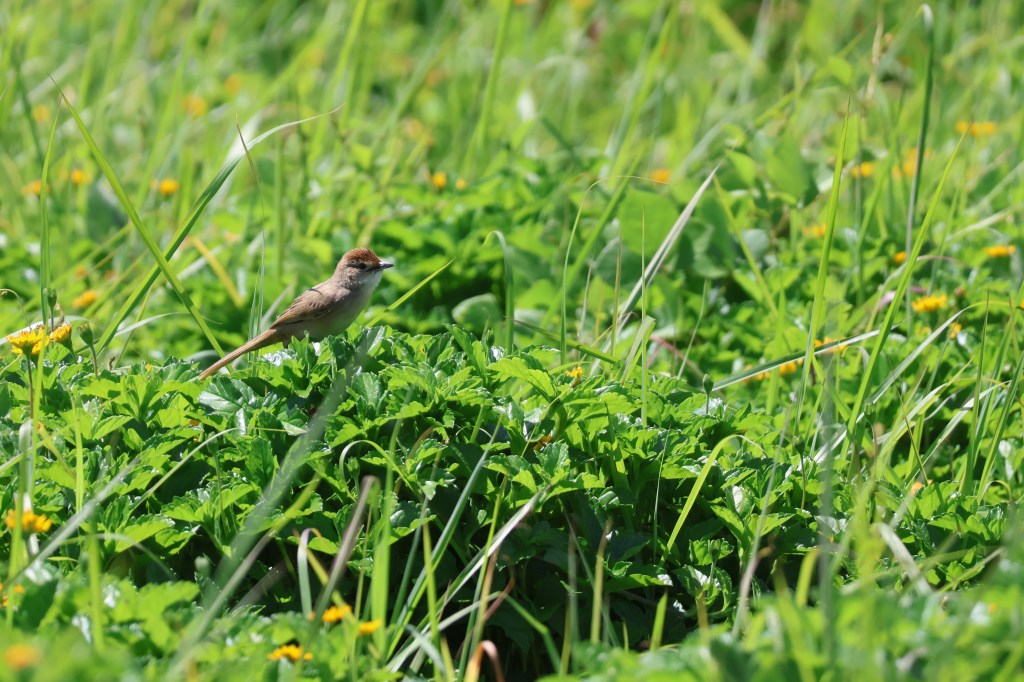
    As we neared the end of the walk, a pair of Tawny Grassbirds hopped up from the grass.

    Tawny Grassbird, Cincloramphus Timoriensis.

    Although we were only here for 1 hour, I would recommend that you stay here for longer. Just bring insect repellent!

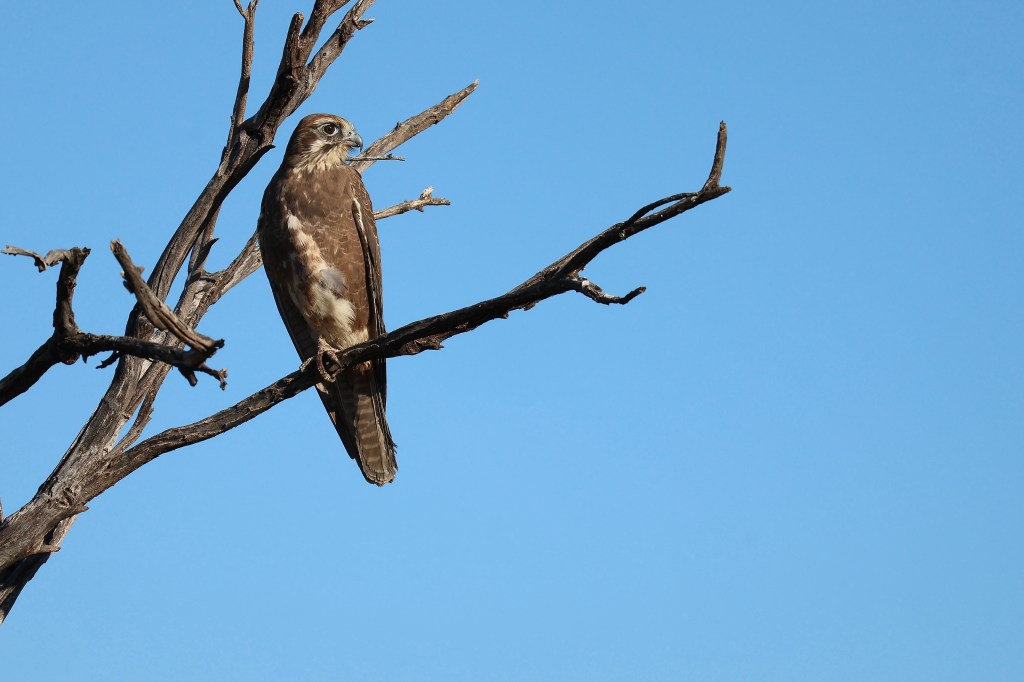
  • Brown Falcons are a bird of prey that live on most of Mainland Australia, in grasslands. They have 3 morphs: Pale, Dark and Light Brown. They don’t build their own nests, they use nests of other birds. 

    Size: 40-55cm

    Food: Small Mammals, Reptiles, Birds and Invertebrates.

    Call: Loud Cackling.

    Often seen sitting on lampposts, wires and fences.

  • Old Sewage Ponds used to be a great spot for Double-barred Finch, but, sadly, I haven’t seen them here for almost a year. Still, this place has so many other species to offer with over 190 birds recorded. Let’s dive right in!

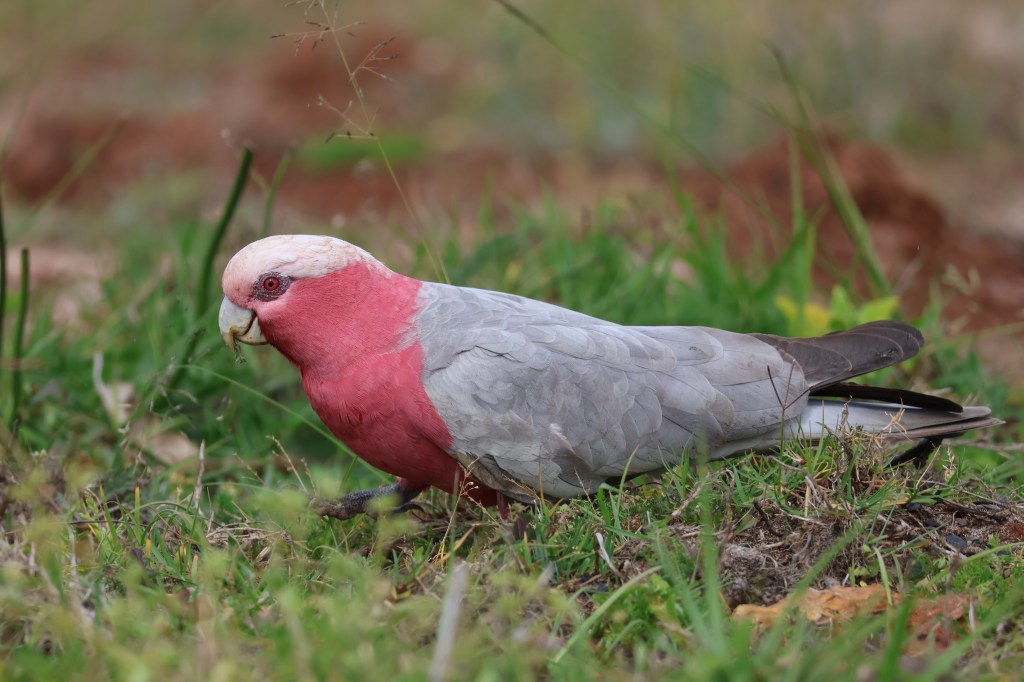
    We started at the walking track through forest and heath, leading up to the two large ponds. We walked past a pair of Galahs feeding on grass seeds on the sandy soil and a Spotted Dove. Spotted Doves are introduced to Australia but do not do any massive damage.

    Galah, Eolophus Roseicapilla.
    Spotted Dove, Spilopelia Chinensis.

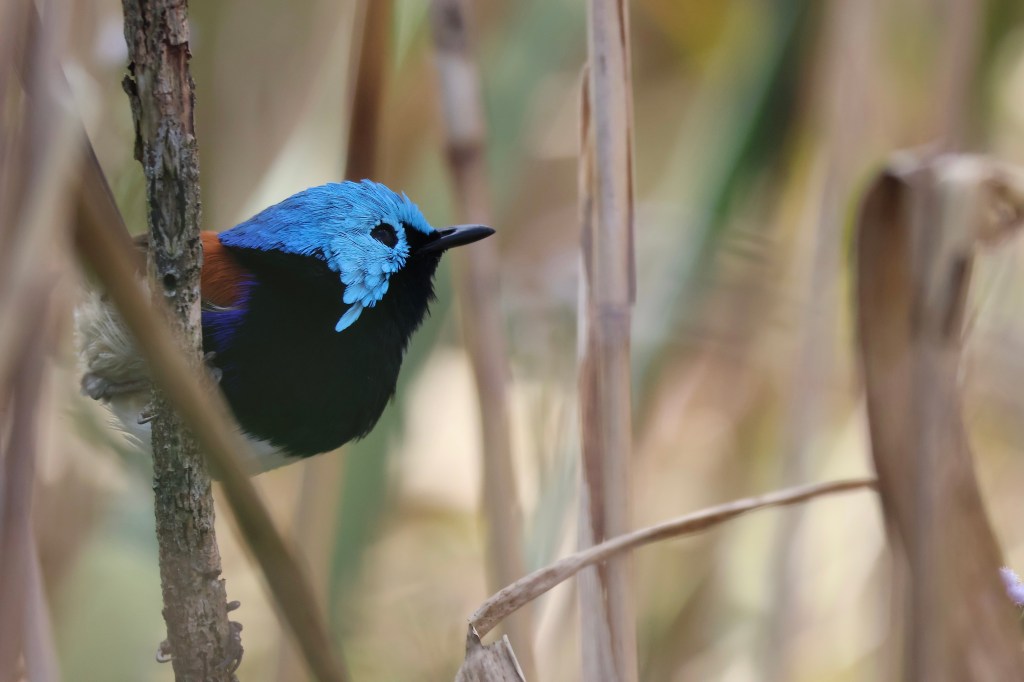
    A Superb Fairywren fed on insects in the grass and a Variegated Fairywren foraged in the canopy.

    Superb Fairywren, Malurus Cyaneus.
    Variegated Fairywren, Malurus Lamberti.

    We walked on and found a nesting site for Rainbow Bee-eaters. These gaudy birds nest in sand burrows on the ground where they are vulnerable to predation.

    Rainbow Bee-eater, Merops Ornatus.

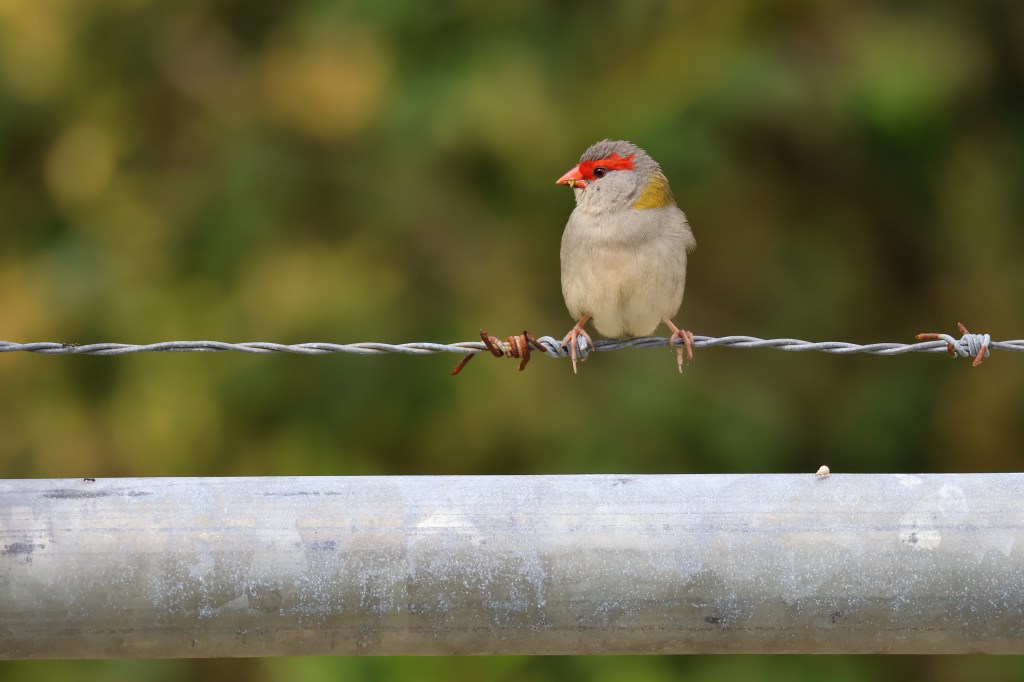
    Energetic Red-browed Finches danced in the grass and a Rufous Whistler fed in the Melaleuca Trees.

    Red-browed Finch, Neochmia Temporalis.
    Rufous Whistler, Pachycephala Rufiventris.

    An Australian Reed Warbler moved about cheekily in the reeds and made it difficult to photograph him.

    Australian Reed Warbler, Acrocephalus Australis.

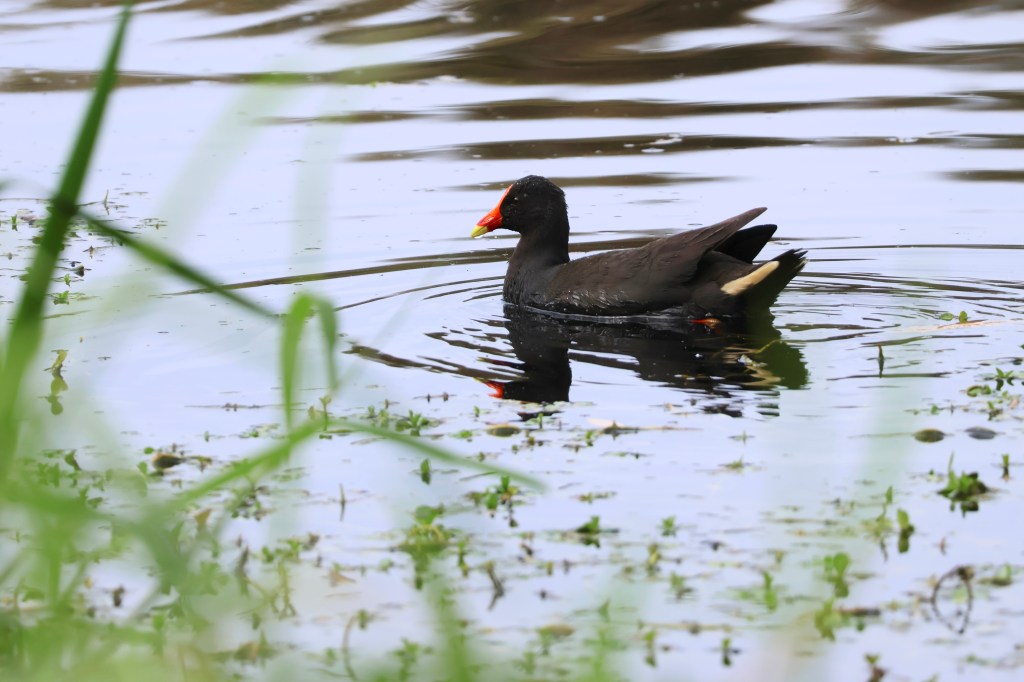
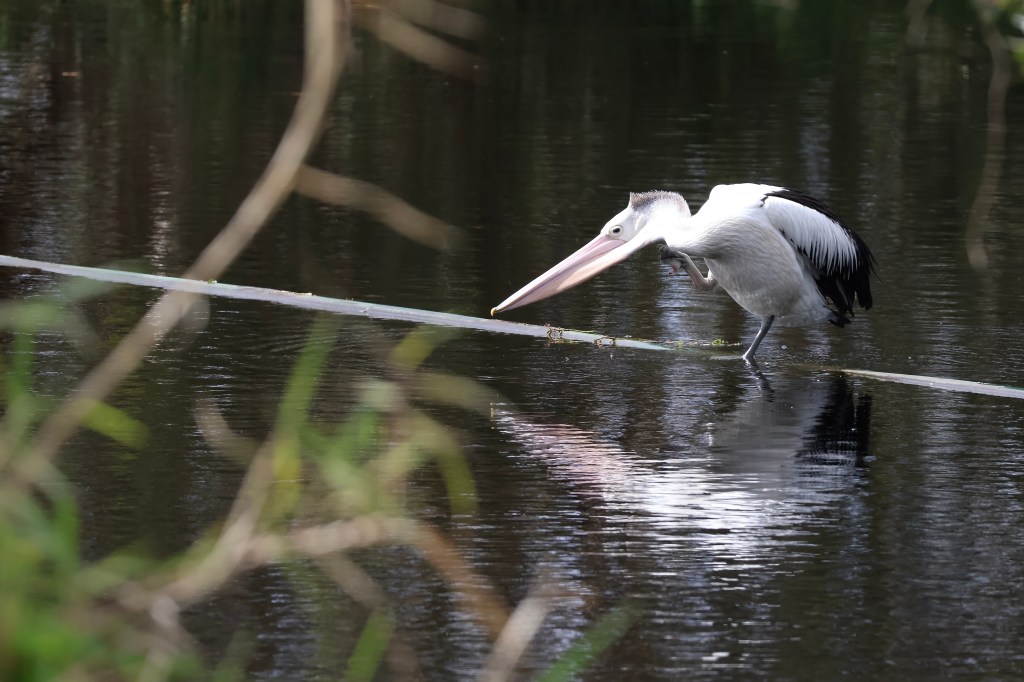
    Dusky Moorhens and Eurasian Coots Fed on the Ponds and an Australian Pelican sat in the middle.

    Dusky Moorhen, Gallinula Tenebrosa.
    Australian Pelican, Pelecanus Conspicillatus.

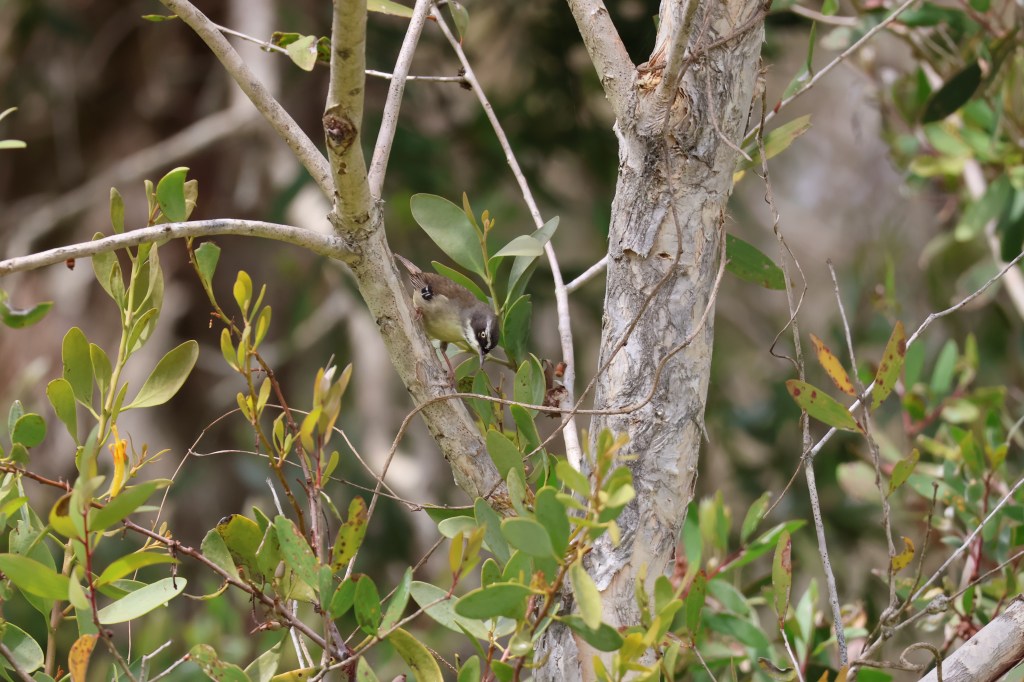
    A White-browed Scrubwren chattered on a branch and a White-breasted Woodswallow sat in a dead tree.

    White-browed Scrubwren, Sericornis Frontalis.
    White-breasted Woodswallow, Artamus Leucorynchus.

    The bridge that connects the track to the beach is temporarily closed but it is still a wonderful place to go birdwatching and hang out. This place suits anyone from young to old, and is certainly worth a visit.
  • During the school holidays, we decided to go to Flat Rock as we hadn’t been there for a few months. Flat Rock is a mecca for shorebirds. It is a rocky outcrop looking out off the water just outside Ballina and all sorts of rarities can turn up there.
    We got out of the car and immediately spotted an Australian Brushturkey sifting through leaf-litter and feeding on bugs.

    Australian Brushturkey, Alectura Lathami.

    We got down to the beach and realised it was extremely windy. it was a strong southerly and the sand was flying around everywhere. Nothing that would stop us, though!

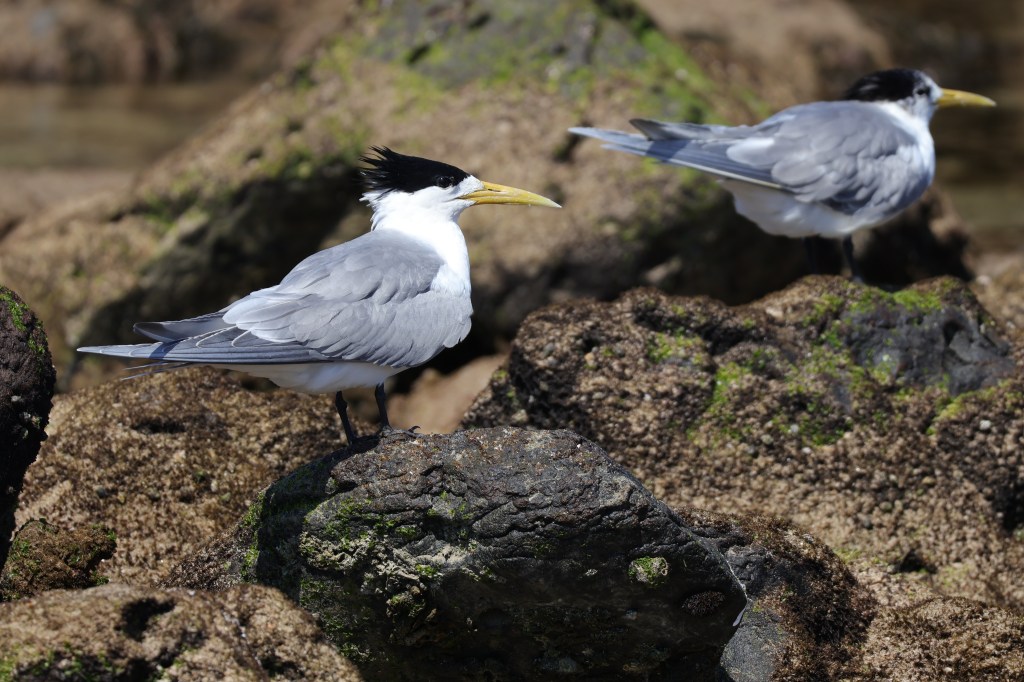
    A flock of Crested Terns sat quietly, watching us, while a White-faced Heron patrolled the rockpools.

    Crested Tern, Thalasseus Bergii.

    A flock of shorebirds caught my attention as they frolicked in the foam. Tiny Red-necked Stints ran around on stumpy little legs, feeding on invertebrates in the algae. these birds fly all the way to Australia from Alaska in the summer, following a path called the East-Asian-Australasian Flyway.

    Red-necked Stint, Calidris Ruficollis.

    Ruddy Turnstones ran comically around the pools, occasionally flying up into the air when a larger wave came.

    Ruddy Turnstone, Arenaria Interpres.

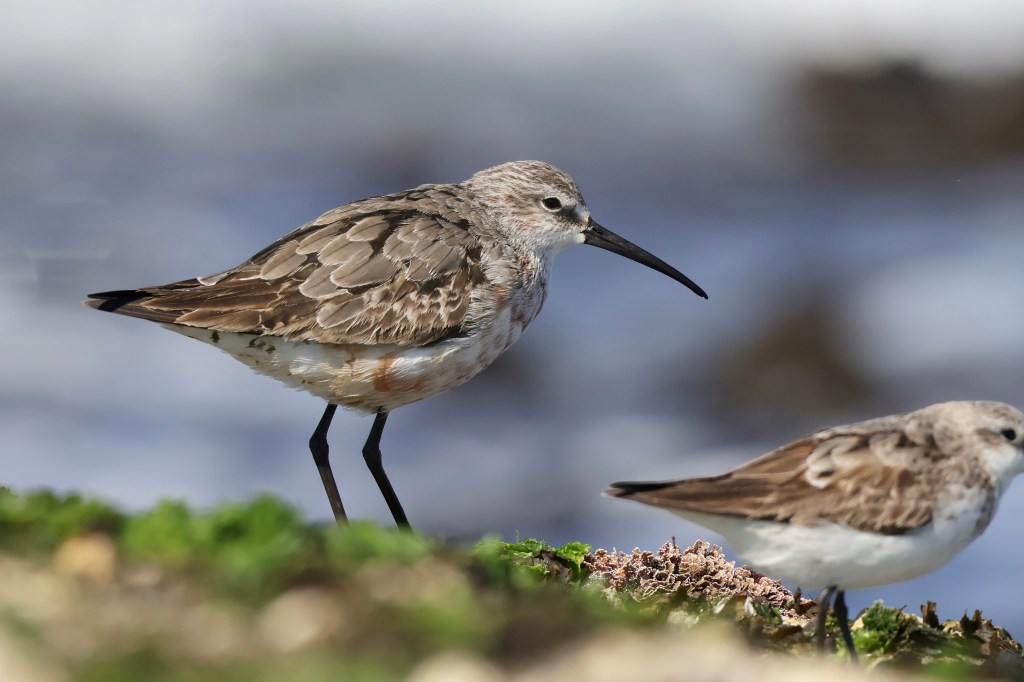
    Curlew Sandpipers poked their long, curved beaks into rocky crevices, prying out small creatures. These birds are listed as Vulnerable by the IUCN red list.

    Curlew Sandpiper, Calidris Ferruginea.

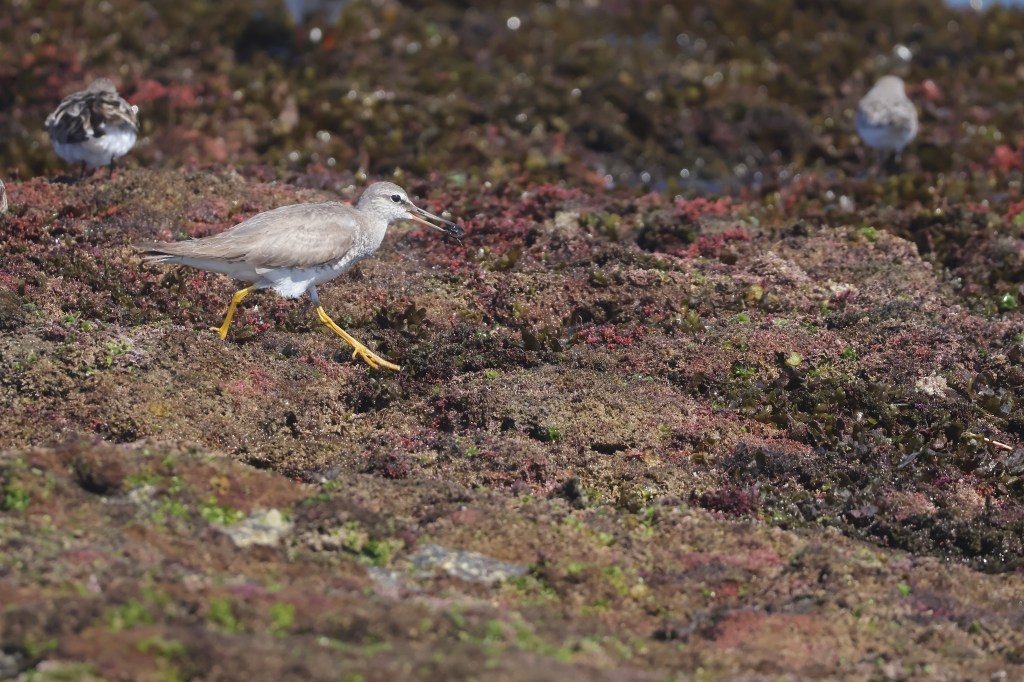
    A lone Grey-tailed Tattler rushed around the slippery, moss-covered rocks looking for limpets.

    Grey-tailed Tattler, Tringa Brevipes.

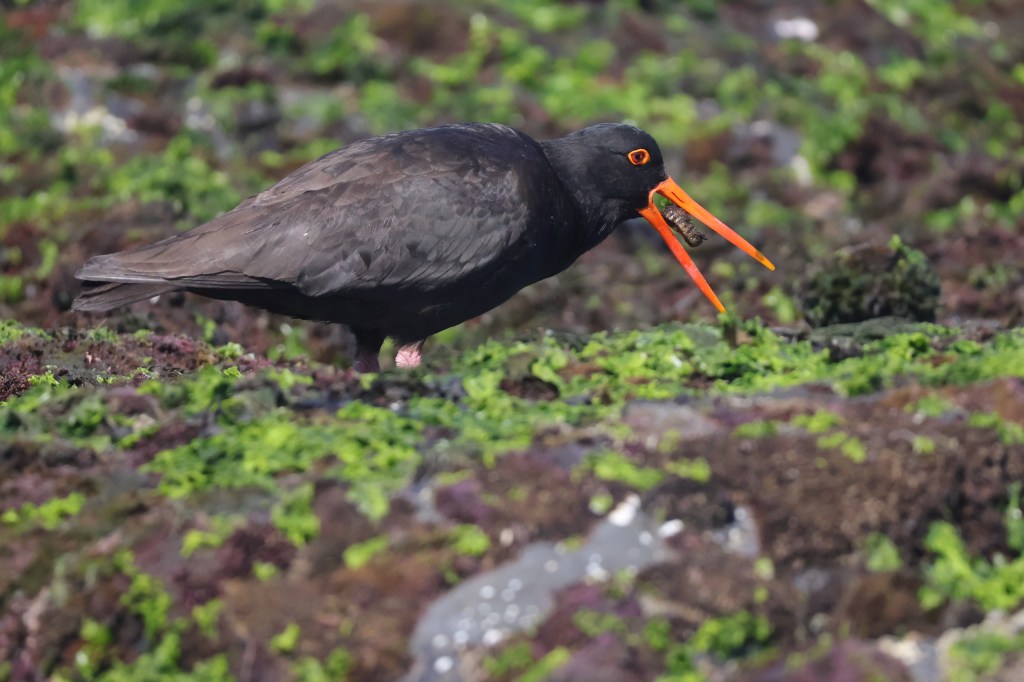
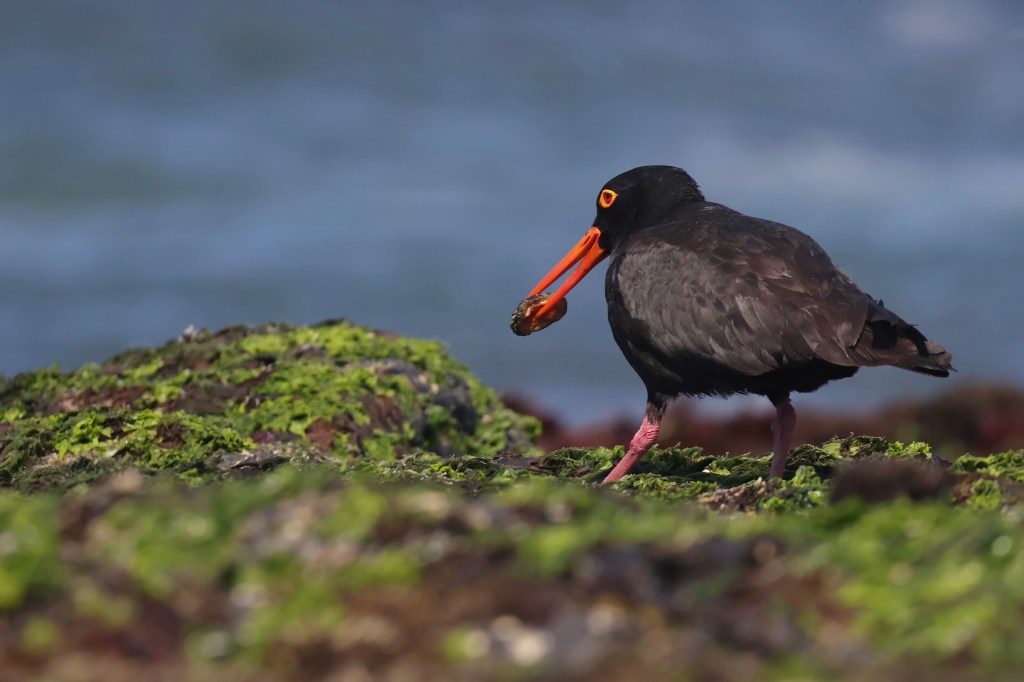
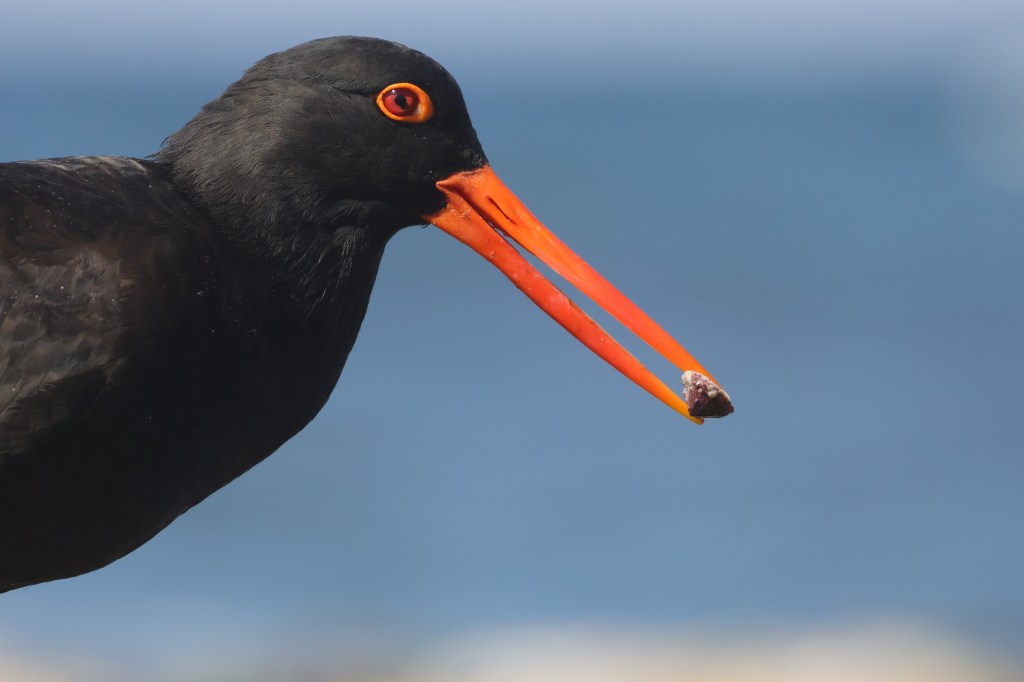
    A pair of Sooty Oystercatchers fed on large limpets that were stuck to the moss. These particular birds didn’t mind me getting quite close so I was able to get some beautiful shots.

    Sooty Oystercatcher, Haematopus Fuliginosus.

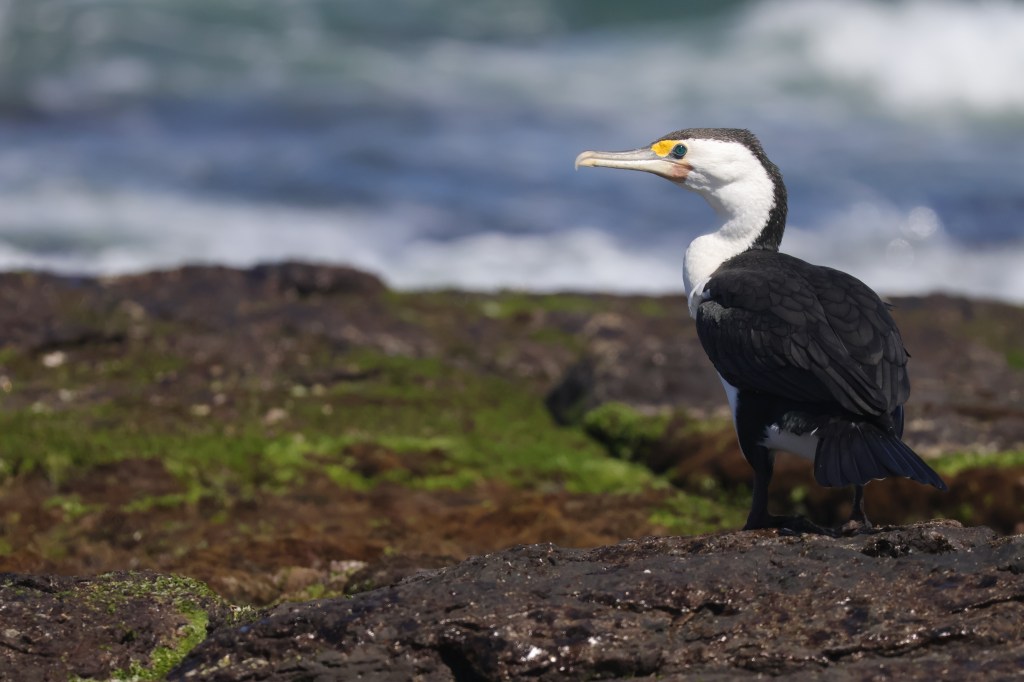
    Australasian Gannets dove out to sea and a Pied Cormorant sat on a rock.

    Pied Cormorant, Phalacrocorax Varius.

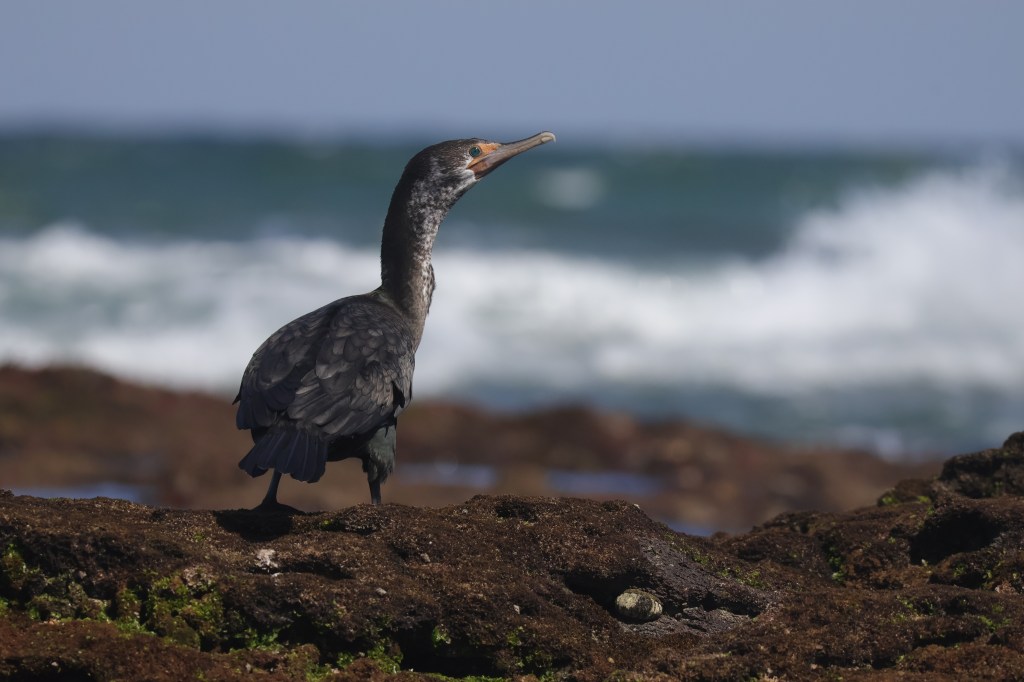
    As we were photographing, I noticed a different cormorant sitting with the Pied. It had the body of a Great and the head of a Pied. We realised it was a hybrid between the Great and Pied Cormorants. Hybrids like this are rare and it was a great sighting.

    Great X Pied Cormorant.

    I heartily recommend Flat Rock to other birdwatchers and, if you don’t see a hybrid cormorant, I can guarantee if you go in summer, you will still get to enjoy the stints.

  • On Tuesday, the warm weather prompted us to pop down to Belongil Creek Estuary to see what birds were around the river mouth.

    We started off at the grassy area and walked over the sand dune down to the river mouth. On the way, we spotted a group of Australasian Swamphens feeding in the reeds at the pond we walked past, and White-cheeked Honeyeaters chirped overhead.

    Australasian Swamphen, Porphyrio Melanotus.
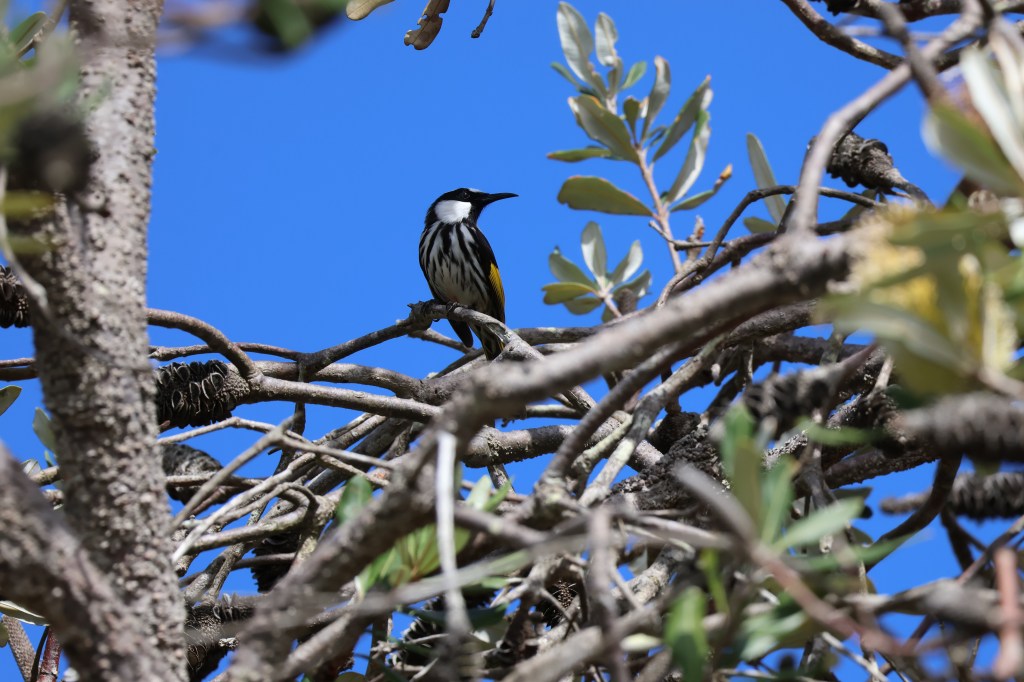
    White-cheeked Honeyeater, Phylidonyris Niger.

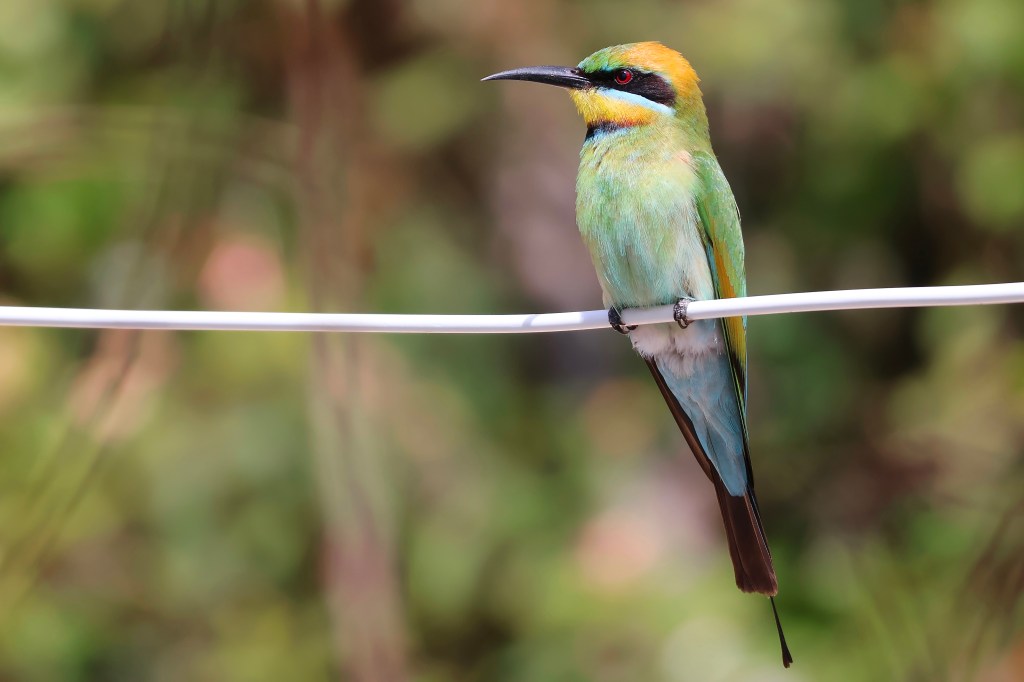
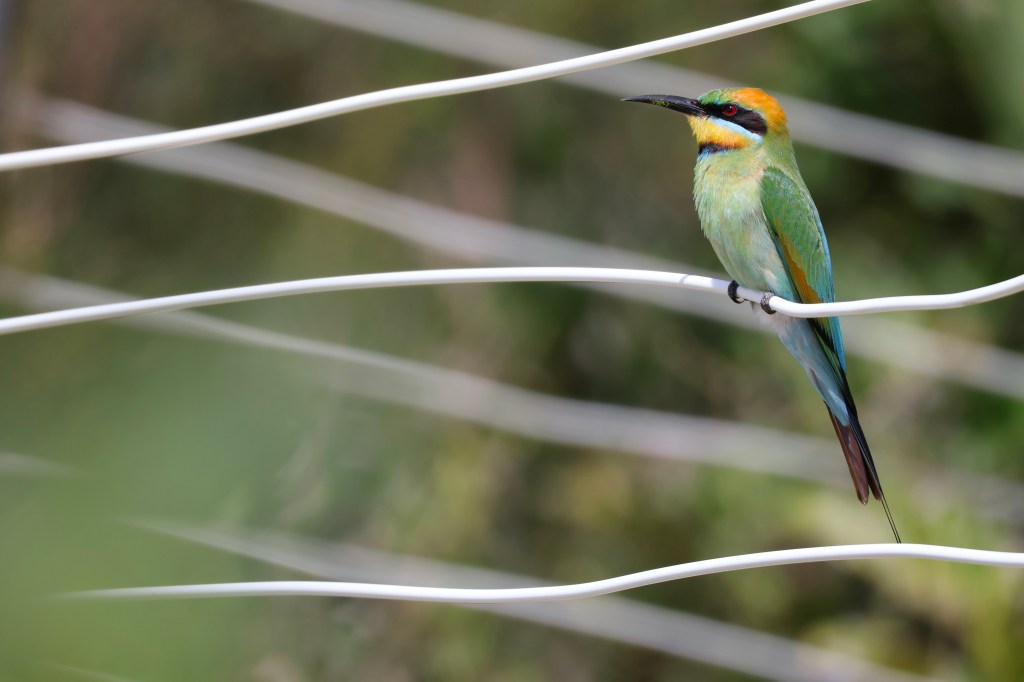
    We stopped to admire a group of Rainbow Bee-eaters hawking for insects in the sky. These birds have beautiful rainbow bodies just about every colour of you can think of and they get their name from their tendency to catch bees and then wipe them on a branch to remove the sting.

    Rainbow Bee-eater, Merops Ornatus.

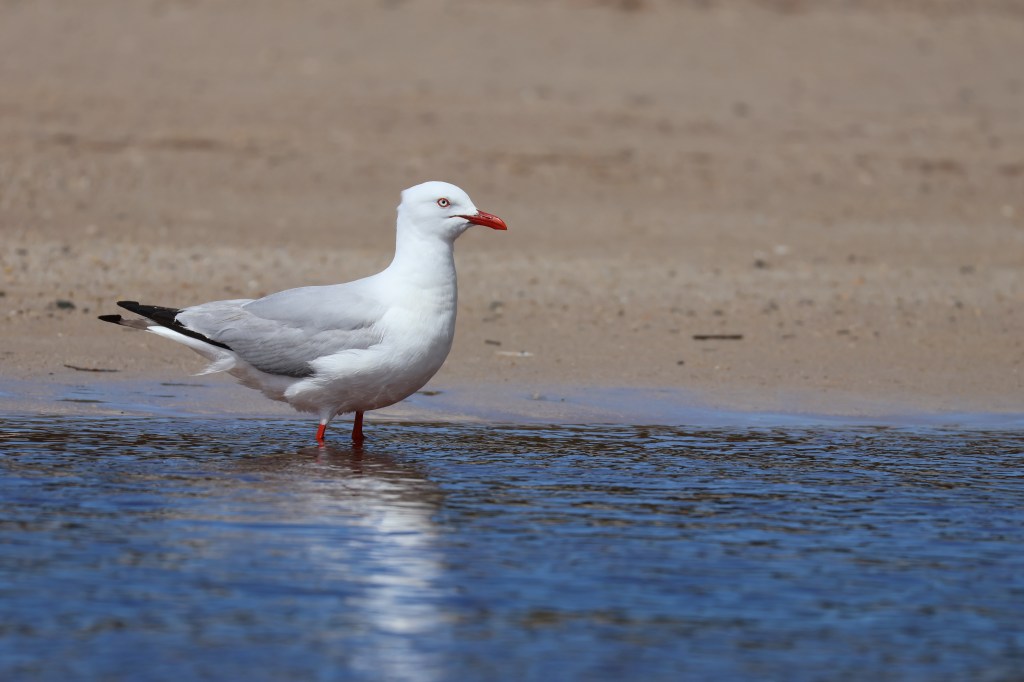
    Squabbling Silver gulls littered the beach and Crested terns sat quietly in large flocks.

    Silver Gull, Chroicocephalus Novaehollandiae.
    Crested Tern, Thalasseus Bergii.

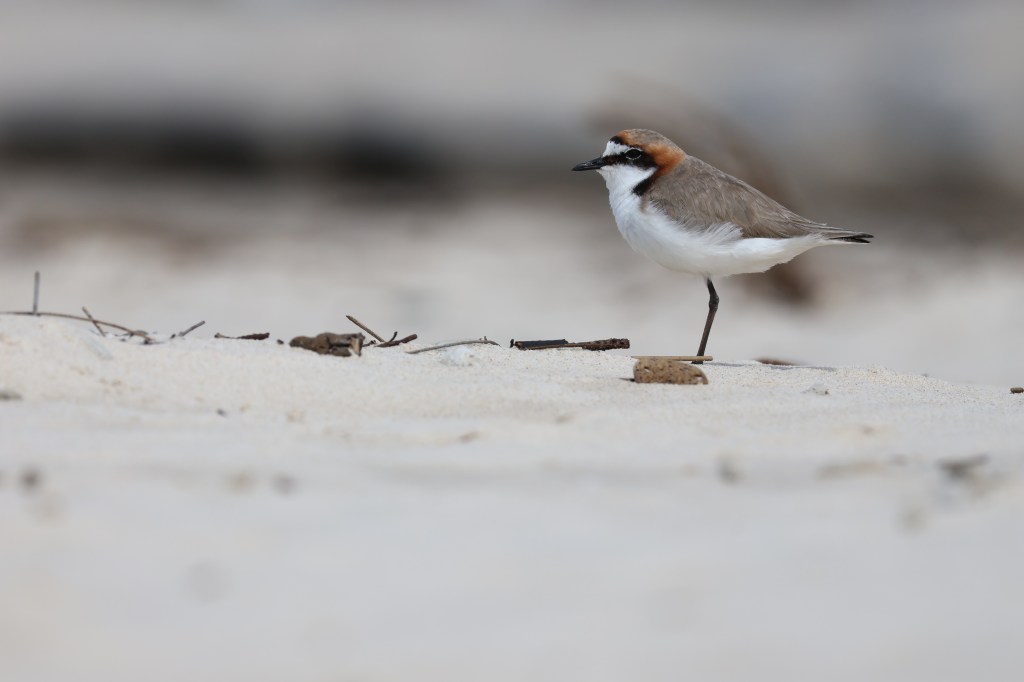
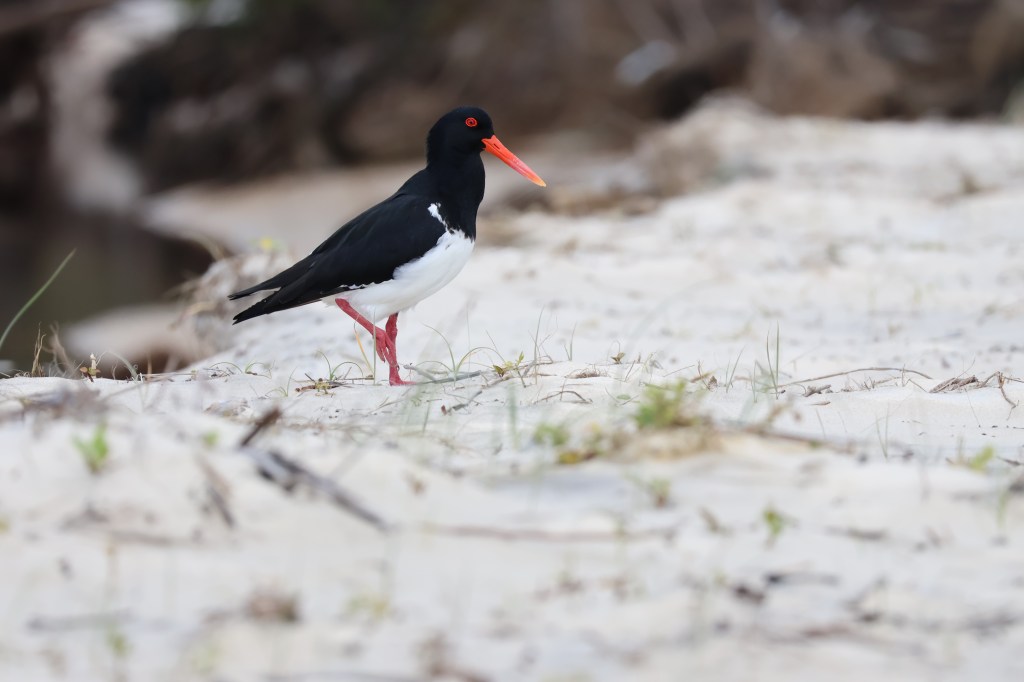
    Red-capped Plovers ran their twinkling run over the sand and a pair of Pied Oystercatchers fed on worms on the estuary edges.

    Red-capped Plover, Anarhynchus Ruficapillus.
    Pied Oystercatcher, Haematopus Longirostris.

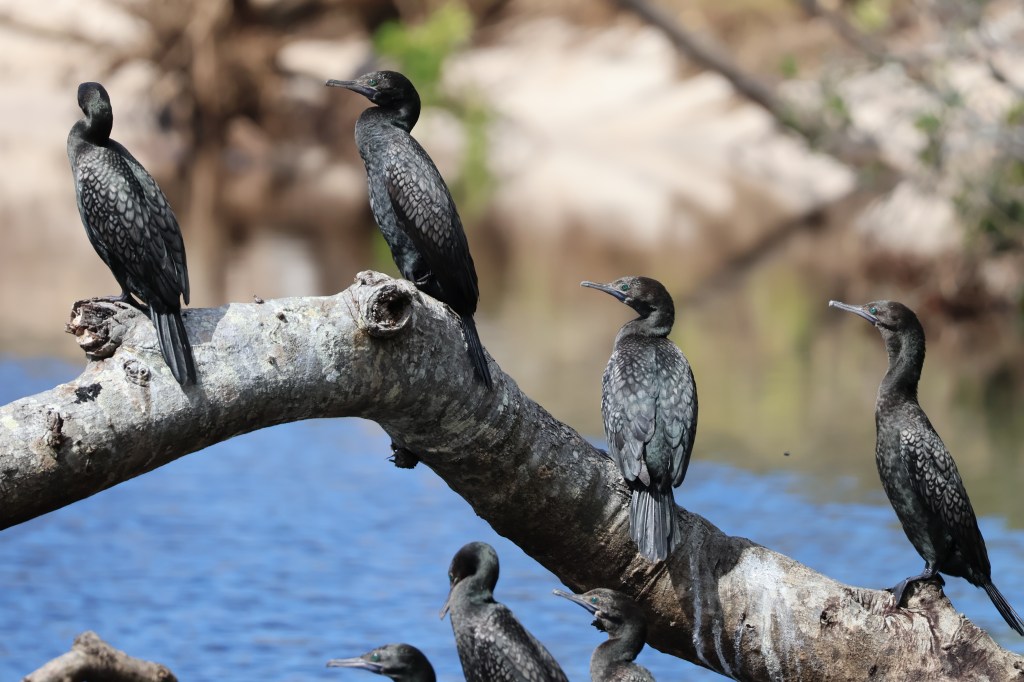
    We watched Little Black Cormorants sitting on a dead branch whilst Little Wattlebirds squawked indignantly.

    Little Black Cormorant, Phalacrocorax Sulcirostris.

    We walked back to the terns and discovered a different tern in the flock. Then we spotted another one. What were they? They had black caps with white fronts and white bodies. The were smaller than Crested Terns but not as small as Little Terns. We eventually realised, after some research, that it was a White-fronted Tern. This species is a rarity in Australia and a lifer for me (lifers are a species you had never seen before until then).

    White-fronted Tern, Sterna Striata.

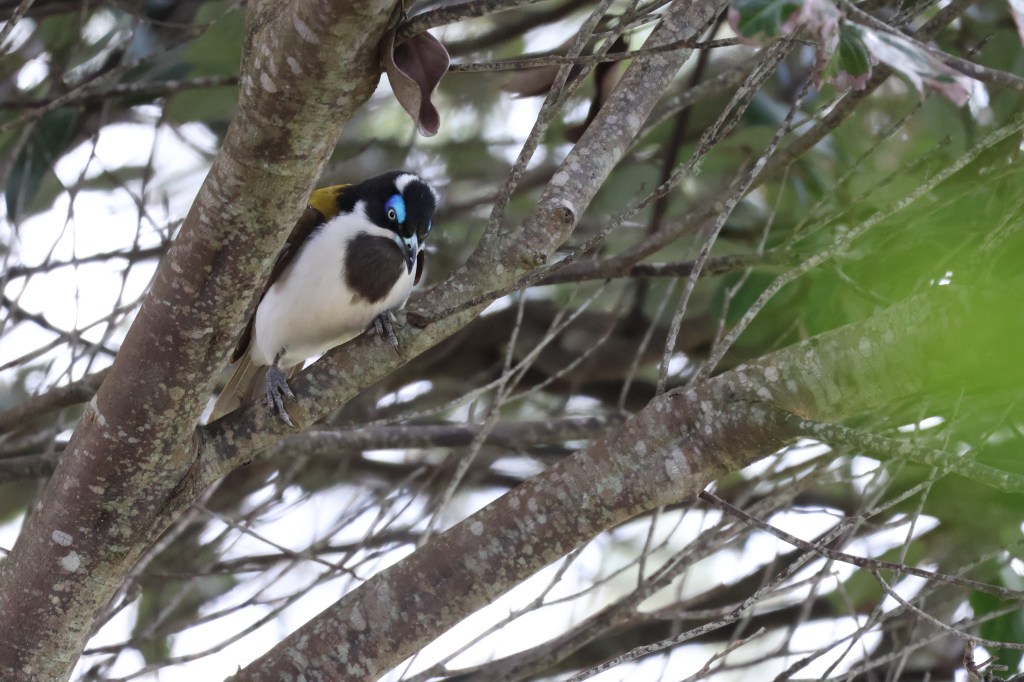
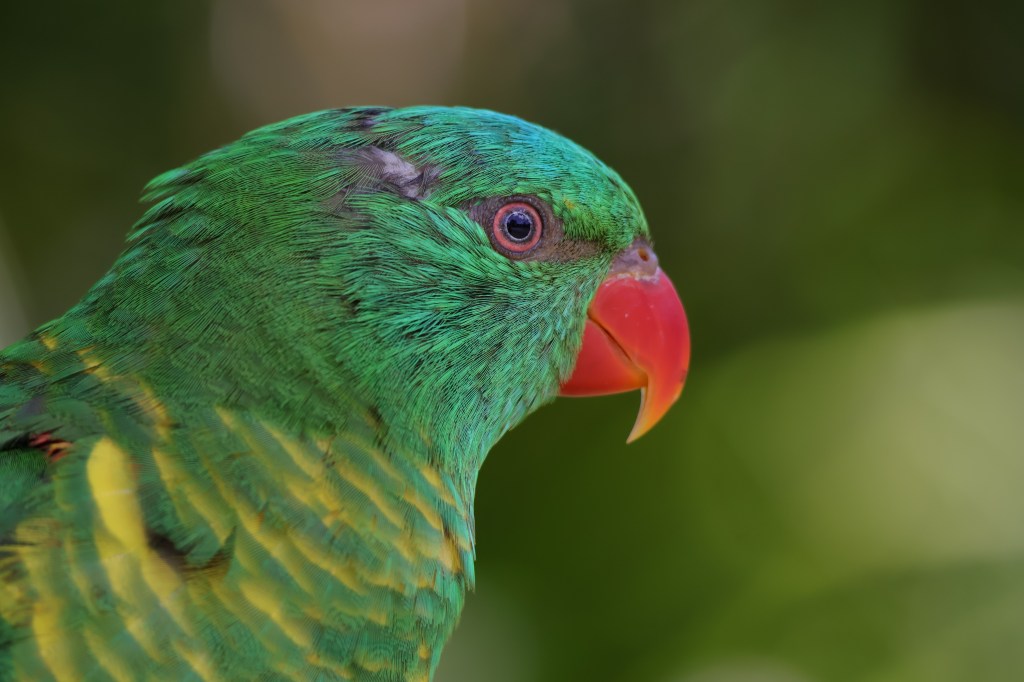
    As we walked back to the car, Scaly-breasted Lorikeets flew past, calling, and Blue-faced Honeyeaters fought over a piece of food someone had dropped.

    Blue-faced Honeyeater, Entomyzon Cyanotis.

    We certainly didn’t come away empty handed!

  • I went to Suffolk Lake with my older cousin, Lola, and, trust me, this place has a lot of birds.

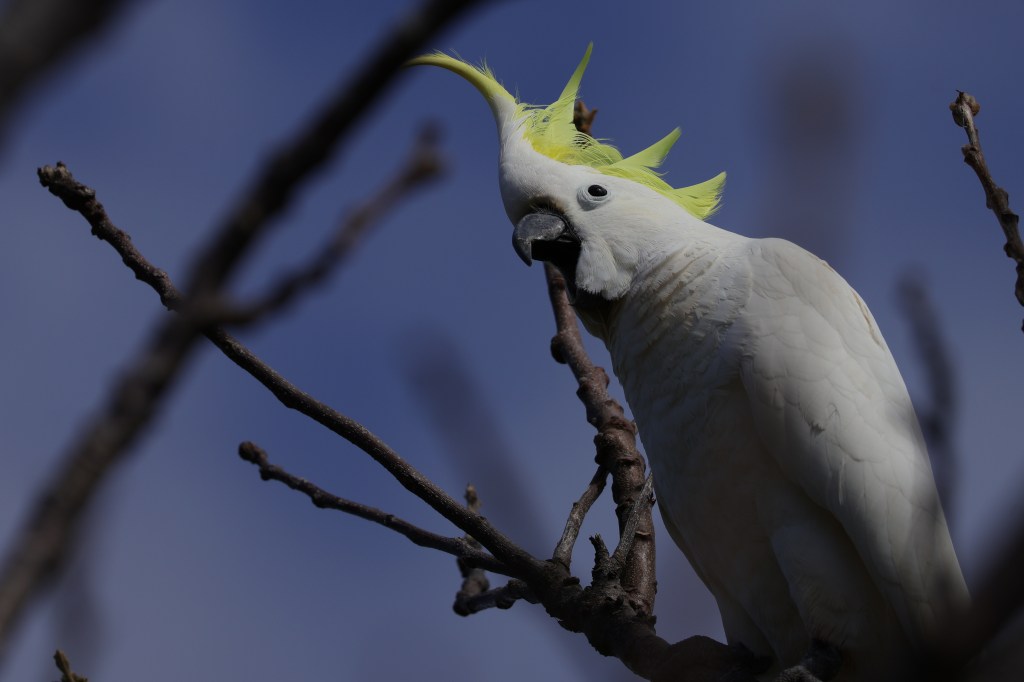
    We arrived at the lake and were greeted by Scaly-breasted Lorikeets with their emerald plumage and Sulphur Crested Cockatoos.

    Scaly-breasted Lorikeet, Trichoglossus Chlorolepidotus.
    Sulphur Crested Cockatoo, Cacatua Galerita.

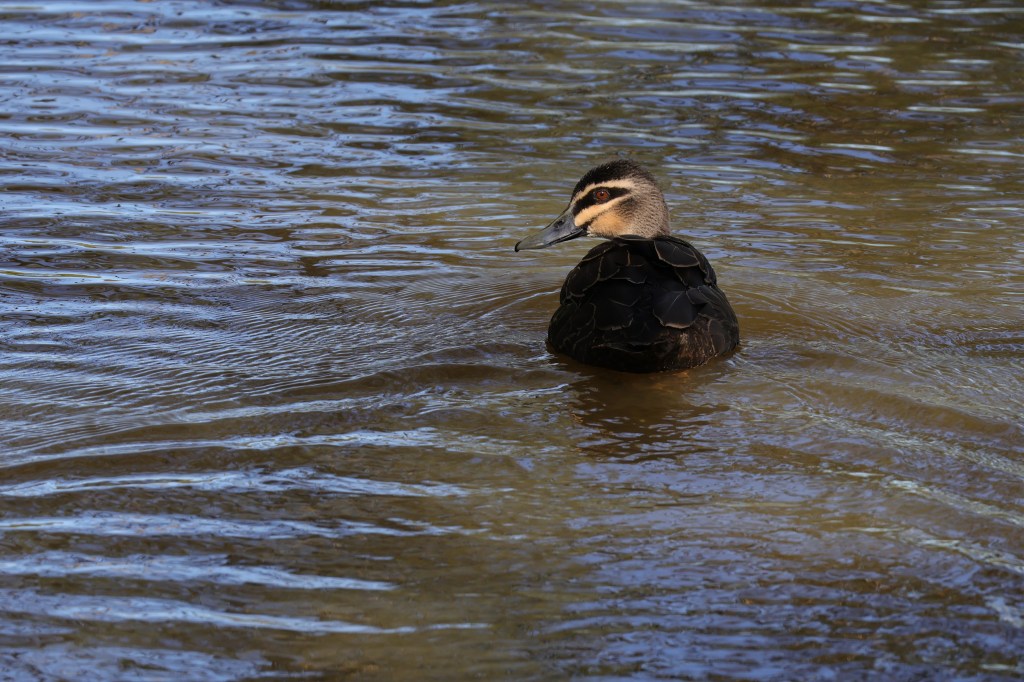
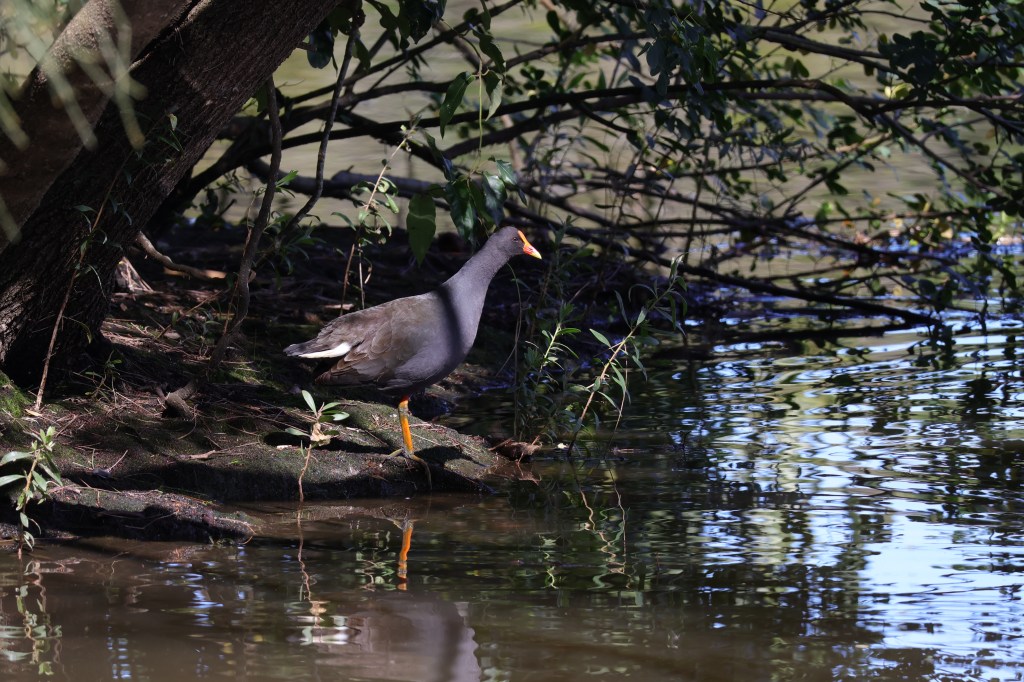
    We kept walking and saw a Pacific Black Duck and some Dusky Moorhens.

    Pacific Black Duck, Anas Superciliosa.
    Dusky Moorhen, Gallinula Tenebrosa.

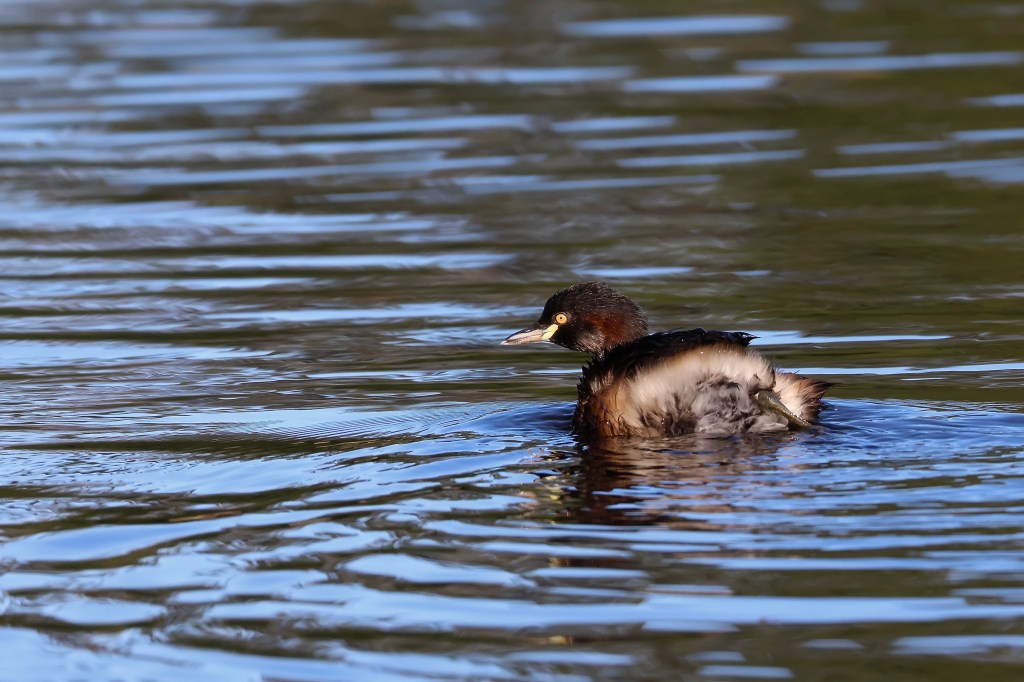
    Australasian Grebes ducked and dived under the water and Restless Flycatchers chirped overhead, but this was just the beginning.

    Australasian Grebe, Tachybaptus Novaehollandiae.

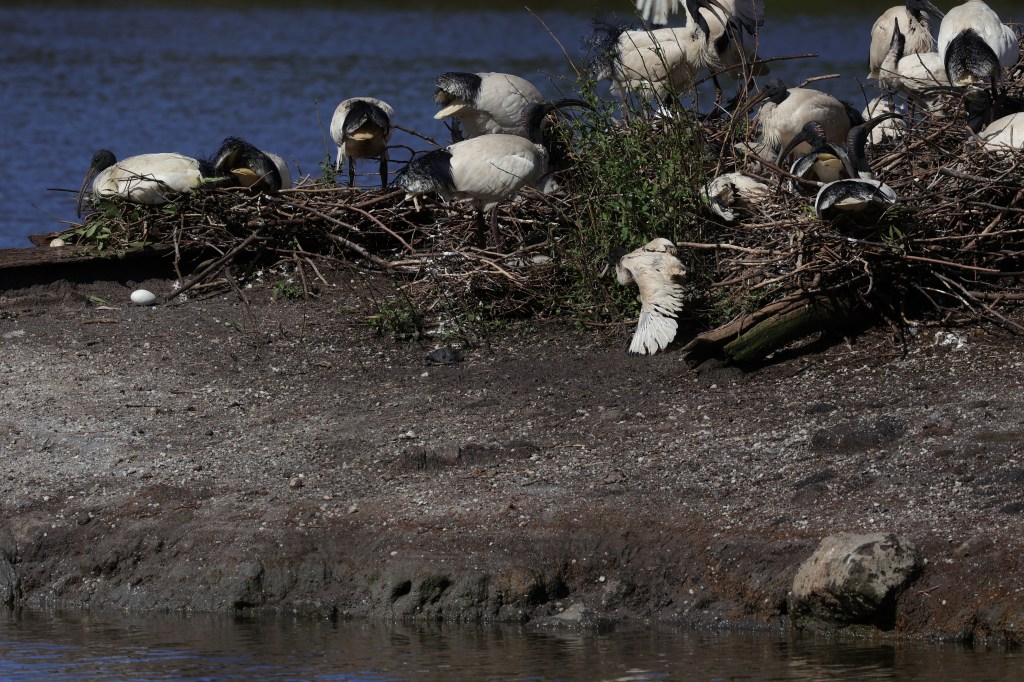
    The reason birders come here is because the island in the middle of the lake is home to multiple breeding species. We saw many Australian Ibis and were excited to see chicks going around happily in the colony.

    Australian Ibis adult and chick, Threskiornis Molucca.

    Most people think of Ibis as pests, but they are one of the only Australian birds to have figured out how to eat cane toads – pretty handy.

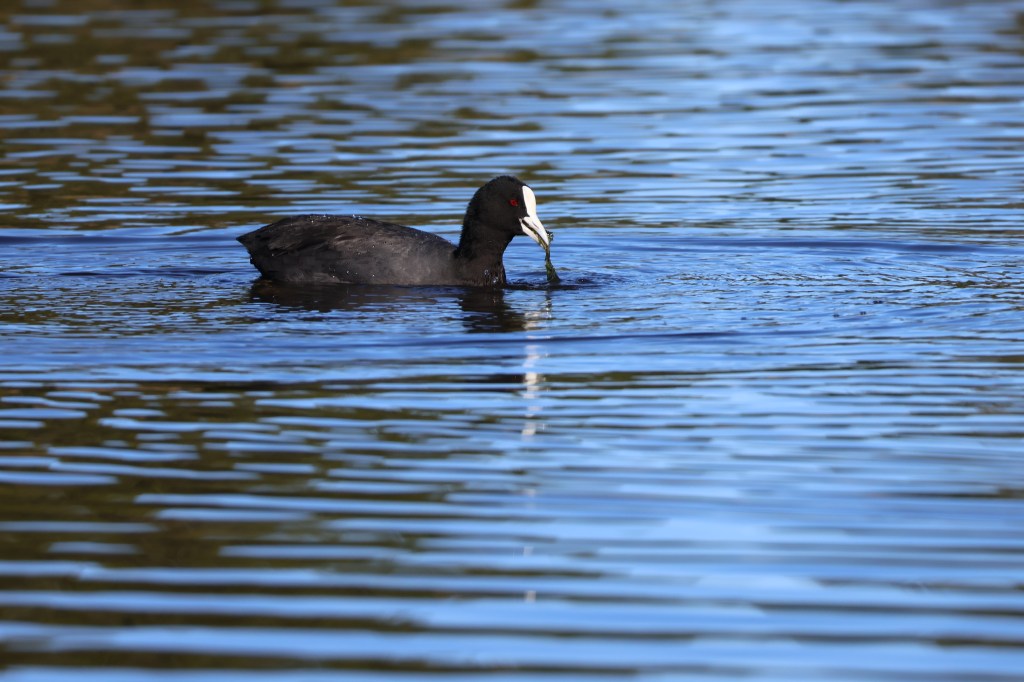
    Pied Cormorants were abundant, and Eurasian Coots were common on the island. I do so love their white lobes and big feet!

    Eurasian Coot, Fulica Atra.

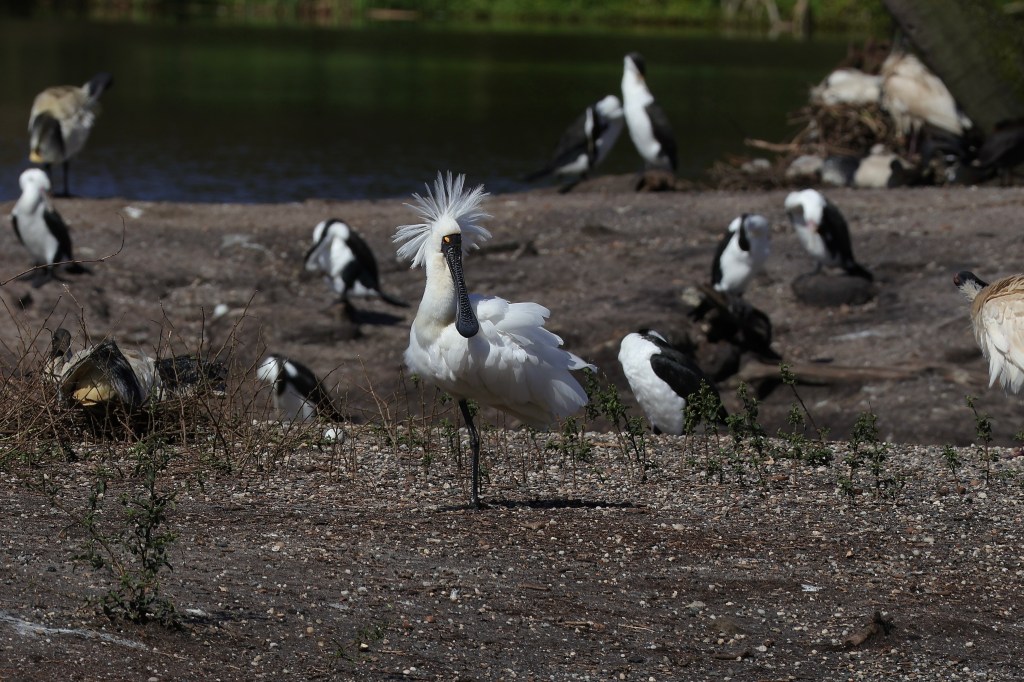
    A few Royal Spoonbills sat quietly in the middle of the island. These are one of my favourite birds, with their unusual beak and beautiful white plumes.

    Royal Spoonbill, Platalea Regia.

    Little Black Cormorants sat on dead logs and a pair of Little Corellas nested in the dead tree on the island. After a while, we noticed a Spangled Drongo in a tree near us, its metallic hues glinting.

    We saw a pair of ducks on the island, hiding under a bush. I took a photo and exclaimed in delight! Plumed Whistling Ducks! These beauties are uncommon in Northern NSW (more common in the north of the country) and have beautiful plumes that always look pristine. This was my second time seeing them and my first time photographing them. They came out into the sunlight, and I got the desired pics. 

    Plumed Whistling Duck, Dendrocygna Eytoni.

    White Browed Scrubwrens chattered and laughed at my excitement.

    We certainly weren’t disappointed!

  • We went to Victoria Park for Russet-tailed Thrush, Noisy Pitta and Wompoo Fruit Dove. We weren’t disappointed.

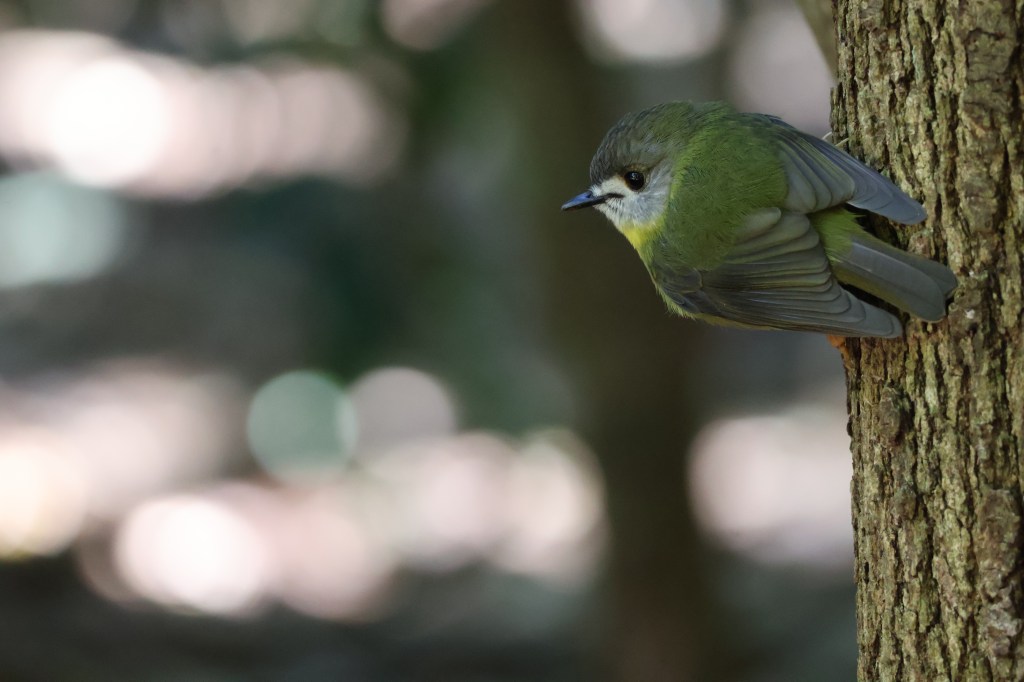
    Pale-yellow Robin, Eopsaltria Capito.

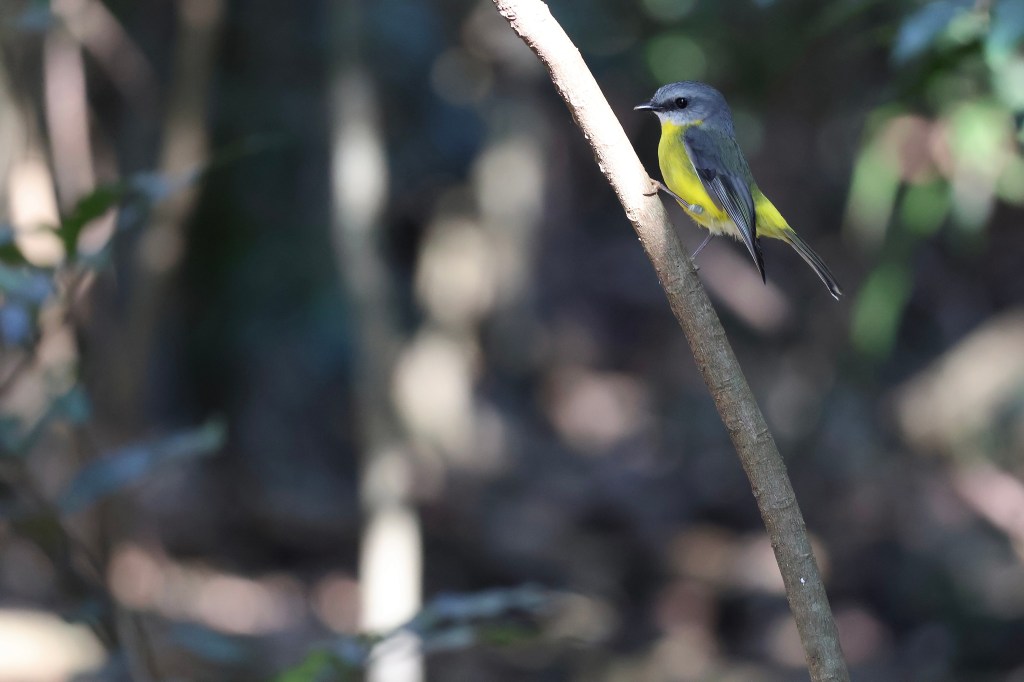
    We arrived and immediately saw a Pale-yellow Robin peeping out from behind a tree. The forest was dark, so we had extremely slow shutter speeds and high ISO. We walked around the bend and spotted an Eastern Yellow Robin on a tree branch.

    Eastern Yellow Robin, Eopsaltria Australis.

    With both robins ticked off in the first 5 minutes, we then proceeded to try and spot Noisy Pitta, the first of our 3 target species. We kept walking and were rewarded with Eastern Whipbirds and Rufous Shrike-thrushes.

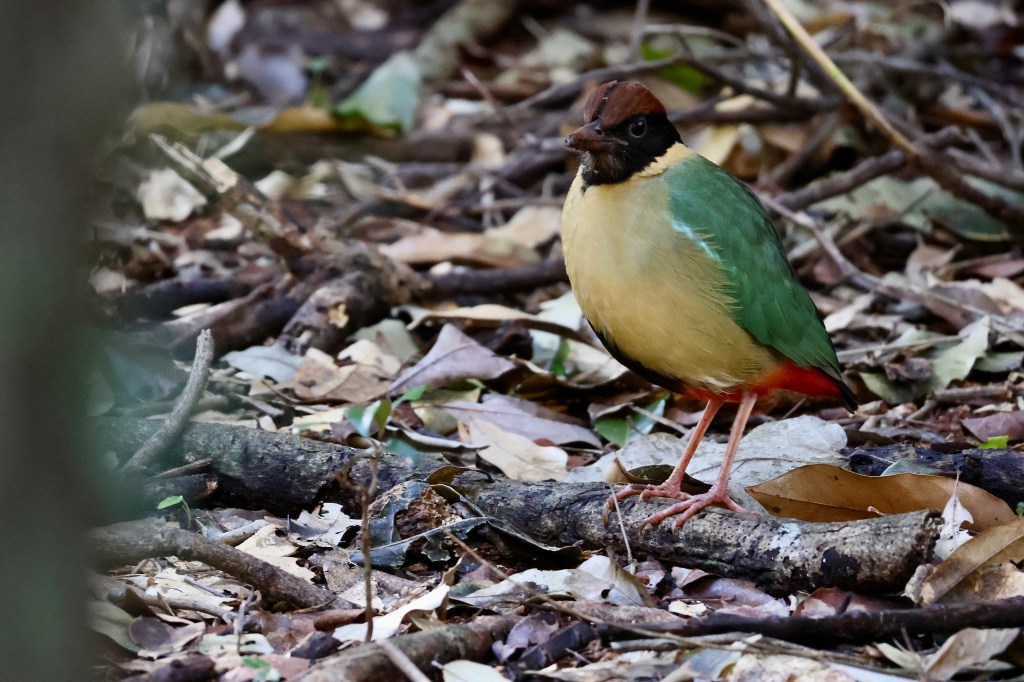
    We rounded a corner and then heard a scuffling in the leaf litter. There it was! The first of our target species! Noisy Pittas are a dumpy ground bird about 21 cm in size, and they are shy and hard to spot. Their beautiful green back and buff breast stand out in the gloomy rainforest. This one was curious and not at all afraid, which was unusual.  

    Noisy Pitta, Pitta Versicolor.

    We took some snaps and then noticed another bird behind it. The other bird clearly saw us and took off. Was that the elusive Russet-tailed Thrush? We wandered on and saw a Spectacled Monarch and a Wonga Pigeon. We met a friendly old man who asked us if we wanted to go see the “frogmouths”. Frogmouths!?

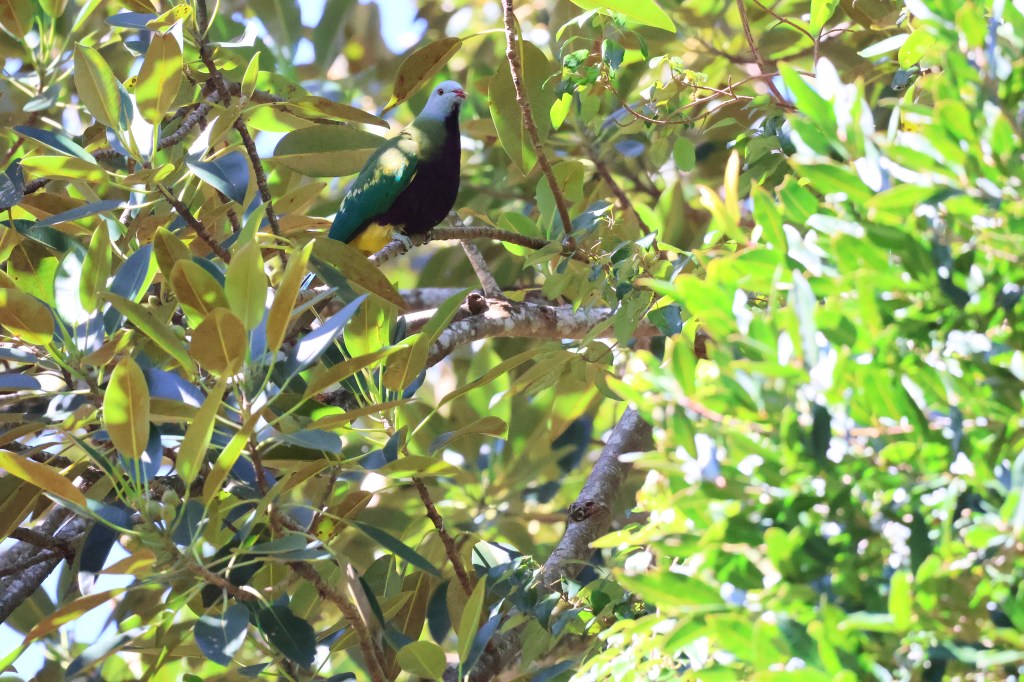
    We went with him and on the way out of the carpark we spotted the second of our target species! The Wompoo Fruit Dove is a large dove that feeds on figs and other fruit. It has a maroon breast and a green back. It was chilling after a lunch of figs in the canopy and was a beautiful sighting. 

    Wompoo Fruit Dove, Ptilinopus Magnificus.

    We walked for 5 minutes along the road and got to the man’s backyard. Immediately we saw 3 Tawny Frogmouths sitting in a gum tree. This was a surprise as although they turn up all over the place, they can be hard to spot due to their brown camouflage that makes them look exactly like a tree branch. 

    Tawny Frogmouth, Podargus Strigoides.

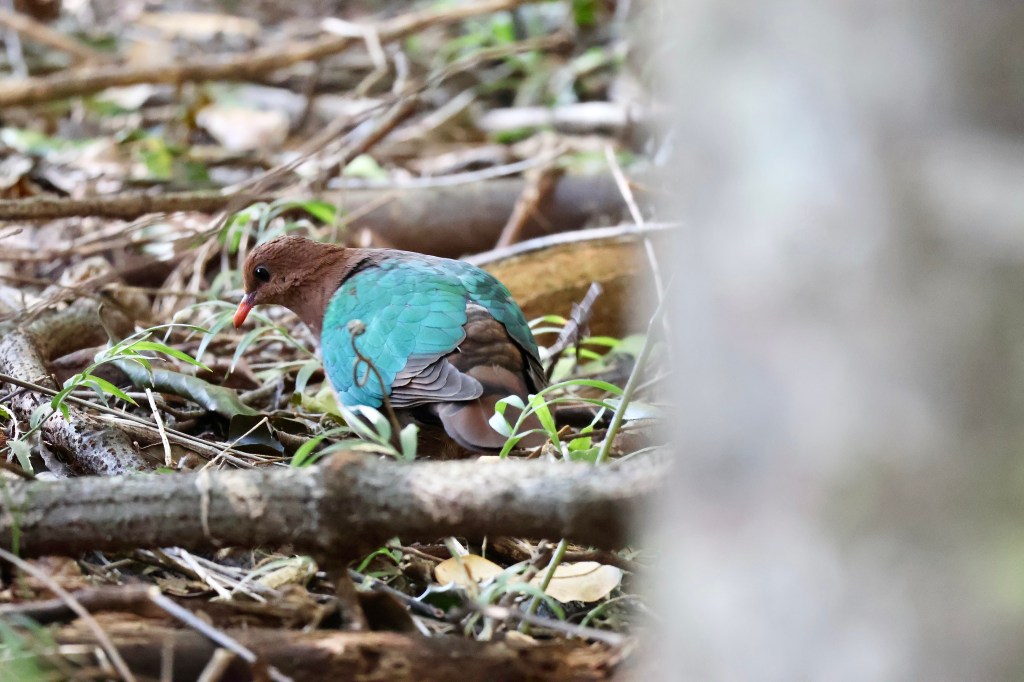
    We said thank you and walked back to the carpark, seeing some Pacific Emerald Doves on the way.

    Pacific Emerald Dove, Chalcophaps Longirostris.

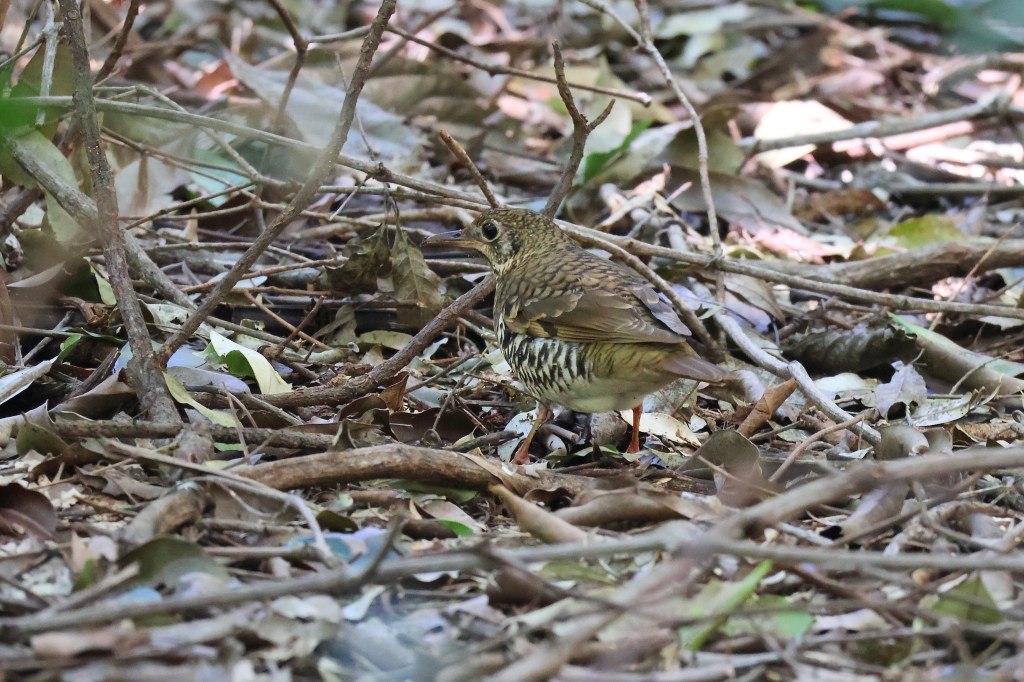
    I asked mum if I could do one more walk around the boardwalk to see if I could get the last of the target species, the Russet-tailed Thrush. She agreed and I set off at a quick pace along the boardwalk. I walked over a pitta that was feeding underneath the boardwalk, and I saw a Green Catbird up in the canopy. Pademelons were abundant but easy to miss with their brown fur. I was just about to finish when I saw it. The Russet-tailed Thrush! It was going through the leaves looking for worms. It spotted me, and I was only able to get some ID shots before it flew away. 

    What a nice end to a lovely trip!

    Russet-tailed Thrush, Zoothera Heinei.